On regulation, desire and discipline

1

I’m in Toronto for the third time in two weeks. Living out of a suitcase. Disregulated. Frantic, overfull days.

I counter by creating mini-rituals. I leave the hotel room dressed to the nines — my version of, anyway — but not bundled up. I carry my winter coat down the creepy generic hallway, down the elevator, all the way to the lobby doors. Put it on just as I exit. Walk first on this side of the street, then cross over at precisely this point. Walk slowly. Stop at what, after the first Monday morning, I decide is my new favourite coffee shop. Order a decaf latte (get mocked by the barista, a little). Take a few slow, hot sips in the cafe. Ground myself in this way.

I don’t have time to do my full Morning Pages but I jot down a few thoughts. Play with one short concept. Draft a vignette. Arrive at the office with game face on.

Do all the things.

When I get back to the hotel room, I take off my shoes first. Then the coat. Hang it up. Jacket and scarf off. Then everything else. Put everything away carefully. Draw bath… make a note to self to bring a nice candle with me on future trips.

Stay in the bath until I’m a raisin. Then write a few words before climbing into bed. Make a note to myself to exercise more — at all — on the next trip. Walking is not enough.

2

I get a promotion and I’m stoked. But also, existential angst hits. Is this selling out? Or living my purpose?

3

A casual conversation during dinner with my VP about skills, sharp claws. I tell her about my practice of starting each day with writing three long hand pages. Every day? Even on weekends? She asks. She sounds incredulous. Every good day, I reply. When I skip, nothing else is as good. Think of it, I tell her, as practice — stretching, running, lifting weights. I need to keep those muscles working, improving. That’s how I’m able to productive a cohesive 90 minute script in a few days. That’s why I’m able to elevate a colleague’s work in a few minutes.

4

The most useful advice I offer to writers: Write. Practice, to a purpose. 

Nobody likes to hear this.

They want a hack.

A magic AI prompt.

5

In a dirty sheesha cafe — so dirty, I will not be coming back. But it’s all right, it’s what I need right now. Recalibrating. Full days. Busy days. Busy brain. I need to push the busy to the back so that I can rest. Set the ground work for a productive day tomorrow.

Can I apply the discipline I apply to my creative work to everything else in my life?

Yes. I think so.

6

Busy is not conducive to productive. To creative.

How do I sustain my ideal pace and cycle in a Monday to Friday corporate world?

How do I help to facilitate it for my team?

How do I write another novel while fulfilling this new role?

7

I want to write another novel. Finally.

The desire is there. I feel it percolating in-between thoughts about content strategy and actionable tactics.

8

Suddenly, an intense desire for silence.

9

Thought: White space also tells a story. Unoriginal, I know. But important.

10

Full days. Quiet nights. I miss home. I miss you.

I’m on my way back, full of desire.

But also, grounded.

This is good.

xoxo

“Jane”

Think-not-think: A tip for burnt out creatives

1

I hit Friday fried. By my last two meetings on Thursday, I can’t language. You know? I open my mouth and my tongue struggles to form the syllables that need to become the words that will give voice to the thoughts I want to express. I’m crossing into the zone where I’m about to start making stupid mistakes because I have no bandwidth left for thought.

The cure, for me, is pretty simple. I need, first, some down time and then some thinking time.

I start the downtime with some manual labour. I sweep and vacuum. I gather up the leaves. I do a load of laundry, start to finish. Get the body a little tired, get the mind focused on the body. Then I take a very long bath, with neither book nor show to distract me from the water, the bubbles, the dark.

I do nothing, I am nothing.

Then, I turn to the page. As writers, I think we’re so lucky that we can rest while writing. Not on the current WIP — now is not the time to torture the novel, speech or article. It’s time to play. Write a bad poem. Play with the cadence of a pretty, useless sentence. Journal — but not about the things that cause you pain. Find an interesting, warm memory. Take that weird overheard phrase — “But what would I do with a gallon of Cool Whip?” — and give it silly, imagined context.

Create that space within yourself.

Play.

Play is rest.

2

Successfully, sustainably creative people know how to play and rest. And, with practice, we learn how to do it before we burn out. We recognize the signs and course-correct before we crash.

Unsustainably creative people burn out. Frequently.

When I’m living my life right — and yes, there is a right way, of course there is 🙂  — I don’t get to the fried stage. I take that pause when I start to feel fatigue. That’s how I (used to) write a full first draft of a novel in three to six weeks: Stop when you still have juice. Recharge before that battery dies.

Work, deadlines and contracts sometimes make this difficult, sure. But it’s possible, attainable, practicable.

Do it.

Do it yourself, for yourself.

Nobody else will — or can — do it for you.

They’ll just tsk tsk when you crash and burn.

3

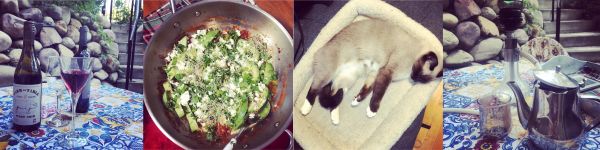
Rejuvenating rest and play look differently for each of us. Sometimes, I can reset in the arms of someone I love. Most of the time, I need silence and solitude. My notebook. The self-permission to play with the things I work with. Sheesha. A trashy novel. A pile of cookbooks full of recipes I’ll never attempt because seriously, four hours of active kitchen to time to put something on the table?

I’d rather write, sleep or, you know. Reset in your arms.

But looking at the pretty photographs makes me feel good.

4

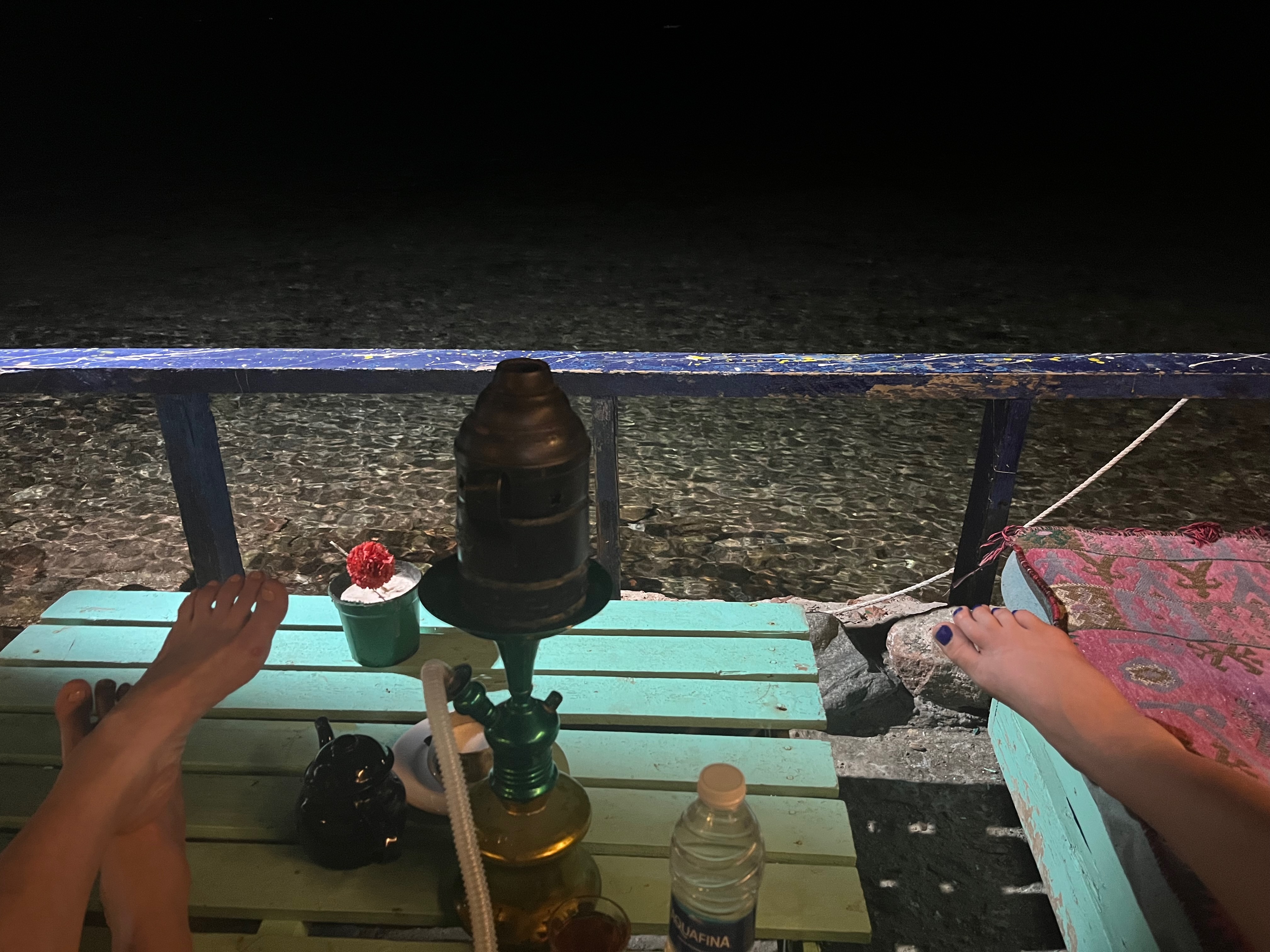
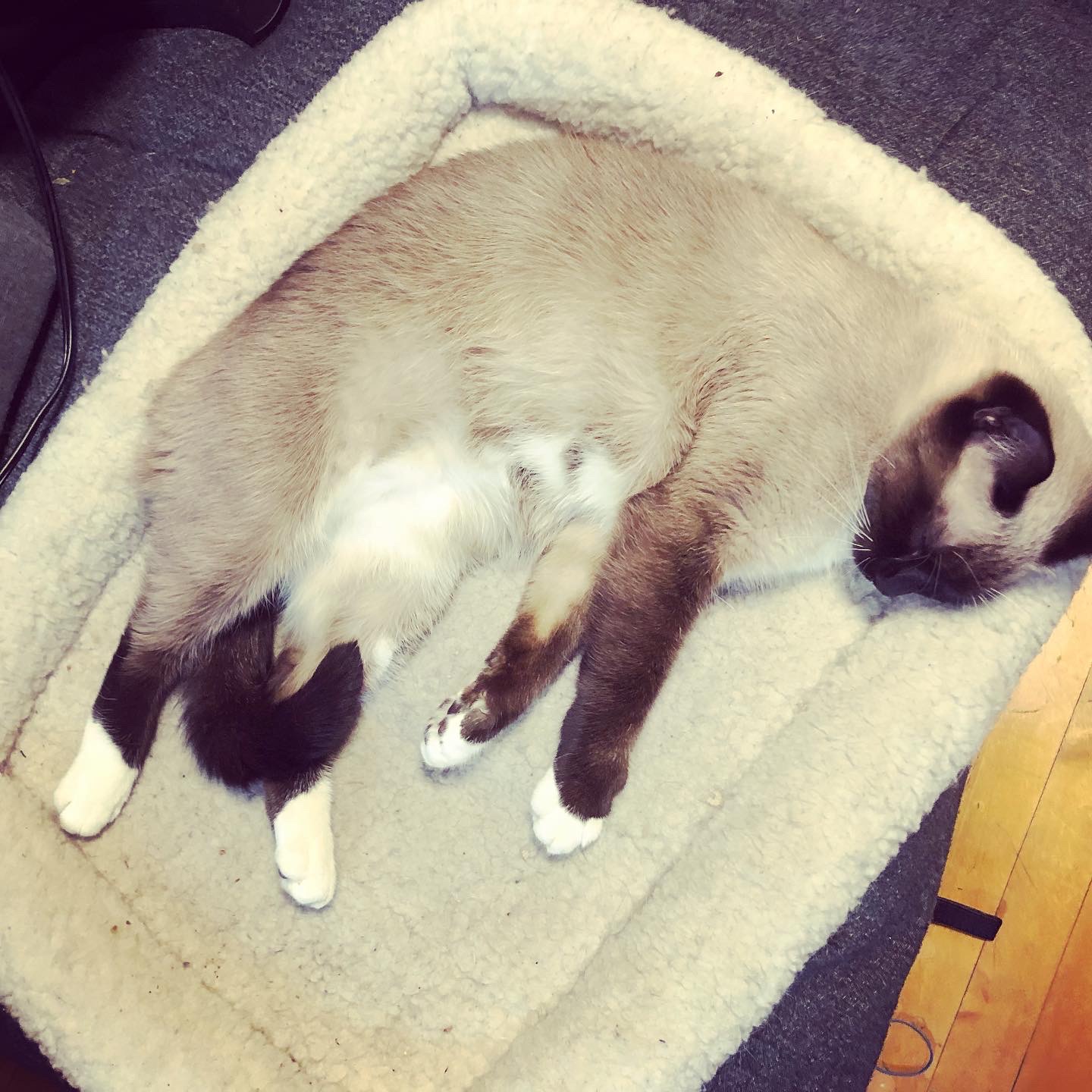
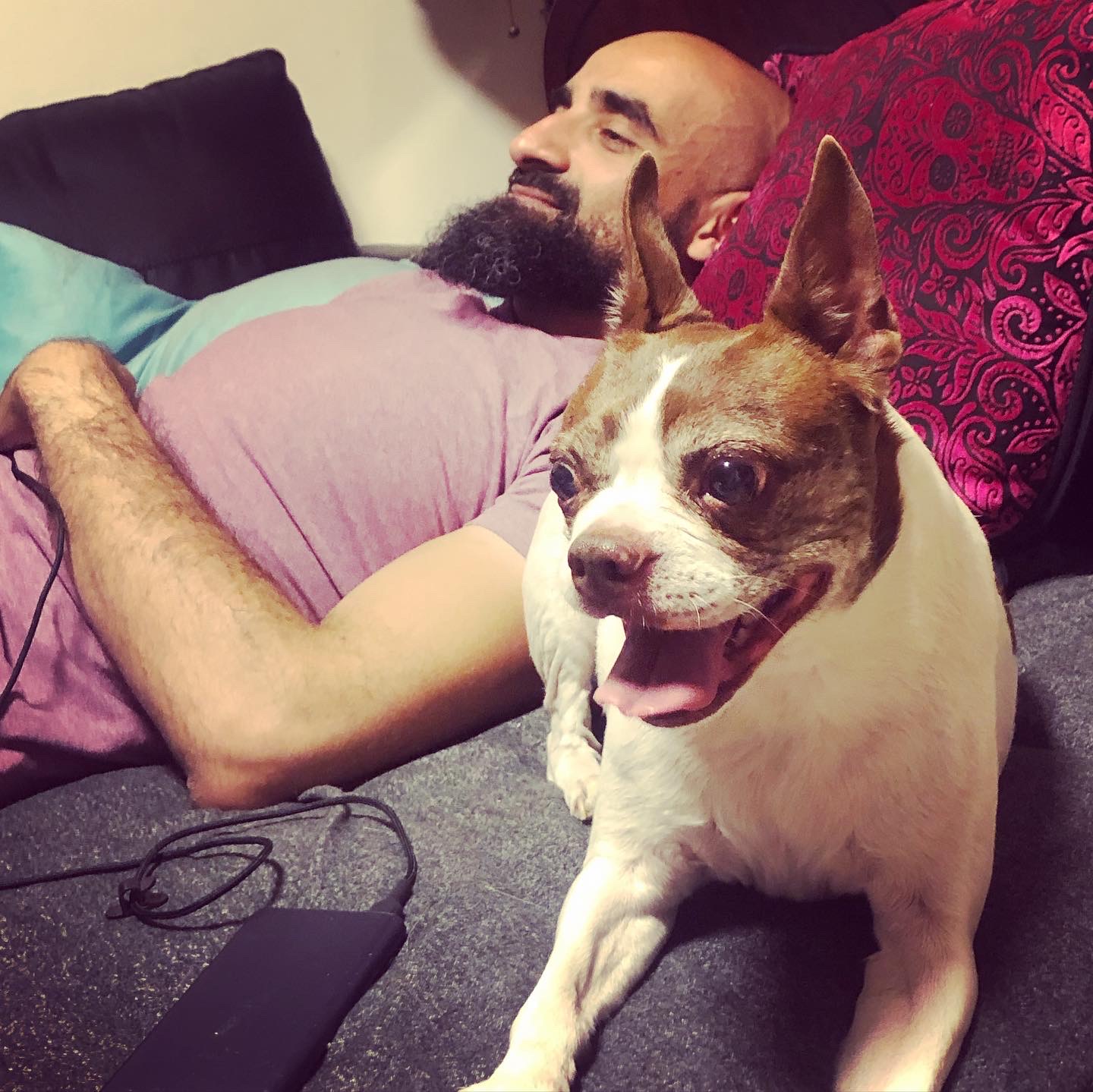
After I write-play, I stretch out of my purple sofa and think-not-think. I look at my animals, the lazy cat, the dog who really wants another walk but knows she’s not getting one for a while. My bare toes.

I think-not-think about the WIPs now. The “not” is the most important part of this: I’m not actively rolling anything over. I’m not reflecting. I’m actually not thinking about work at all. Except that it exists and it’s inside me. And when I not-think about it, I think about it in that magical way that will let me think about it happily a few hours, days later.

Breathe in, breathe out. Watch the smoke. Listen to the breath. Look at the cat. 

Don’t think, but let the thoughts come.

5

We call ourselves knowledge workers or creatives now and they claim to value us… but neither they nor we give ourselves sufficient time, the permission even to do the thing that makes us sustainably creative:

Think-not-think.

Play and rest.

6

My homework for myself on that Thursday night is to play and rest, think-not-think.

My homework for what would be an unproductive, frustrating, burnt-out Friday: think-not-think. Lay on the floor. Stare at the ceiling. Feel the space inside. Delay responding to that non-urgent email. Reschedule the important, requires thought meeting.

It sets the stage for a fantastic Monday, fulfilling Tuesday. I’ll have words, thoughts.

But first, this: rest and play. Think-not-think.

xoxo

“Jane”

Anatomy of a week

Monday

I move between bed, bath and couch, book, audiobook and my show on Amazon Prime, occasionally eat leftovers, nap often.

In the evening, I’m picking up my lover and his lover but not my son and his father — one set of travellers is due to arrive nine’ishs and the other after midnight. I’m supposed to pick up the earlier arrivals and not the later ones.

But stuff happens, and I end up with all four of them packed into Darwin the beetle for the chaotic three-drop drive home.

This is a happy if slightly awkward moment.

True thing: When I see my son waiting there outside the airport, everything else disappears, nothing else matters, my lover disappears (he understands), my child is back.

Tuesday

Work. So much work. Also, am I getting a cold? No, I refuse to be getting a cold, but I work from home just in case. I don’t have time for my personal writing in the morning and I’m not right for the rest of the day.

In the afternoon, I pick up my son from his dad’s — teenagers on summer vacation sleep forever. I bring him home, feed him. He’s restless.

We walk downtown to the Value Village Boutique to look for jerseys, find none. On the way there, my crazy neighbour passes us on an electric scooter and swears at me. Fun times. I make a note in the “violations of the restraining order” log on my phone.

We walk back across the downtown, cross the river. I drop him off at his dad’s and continue walking on to my home. My body doesn’t appreciate the exercise. It would prefer to nap.

I skip Tuesday dance church to catch up with my love, back in town after a few days away. He’s fighting a cold. No kissing. How can you truly reconnect without kissing? We hold each other tight but I still feel very far away.

Wednesday

OMG so much work, why did I accept this 7:30 am meeting what was I thinking, it’s fine, it’s fine, I’m up and awake. I work from my lover’s house in the morning while he sleeps — it still feels, a little, like reconnection. I think with envy about the people who can pick up any connection, any relationship after a period of absence without effort. When I don’t see you, whether it’s for a few days or a few weeks—or few years—you fade, you get so far away, I forget how to be with you, I’m not sure if you are still there —if we are still there.

I look into the bedroom.

Still there.

Back to work, so much work.

Power Nap.

More work.

Tea and cookies with my sick love.

Tender goodbyes, but no kisses. 

Home via the local Somali butcher for some chicken.

So tired. Full work day but unfulfilled, I know why, I did not do any of my writing, will I be able to today, I can barely keep my eyes open.

Nap. Make food. Pick up sons.

Supper. Arbitration. The 15 year old and 23 year old do not get along super well these days. The 23 year old’s jokes don’t land well. The 15 year old’s moodiness likewise. And I’m a very bad referee.

The eldest walks to his dad’s, I drive the younger.

Back home, exhausted, I contemplate bath and bed.

But I haven’t written — for me — for two days.

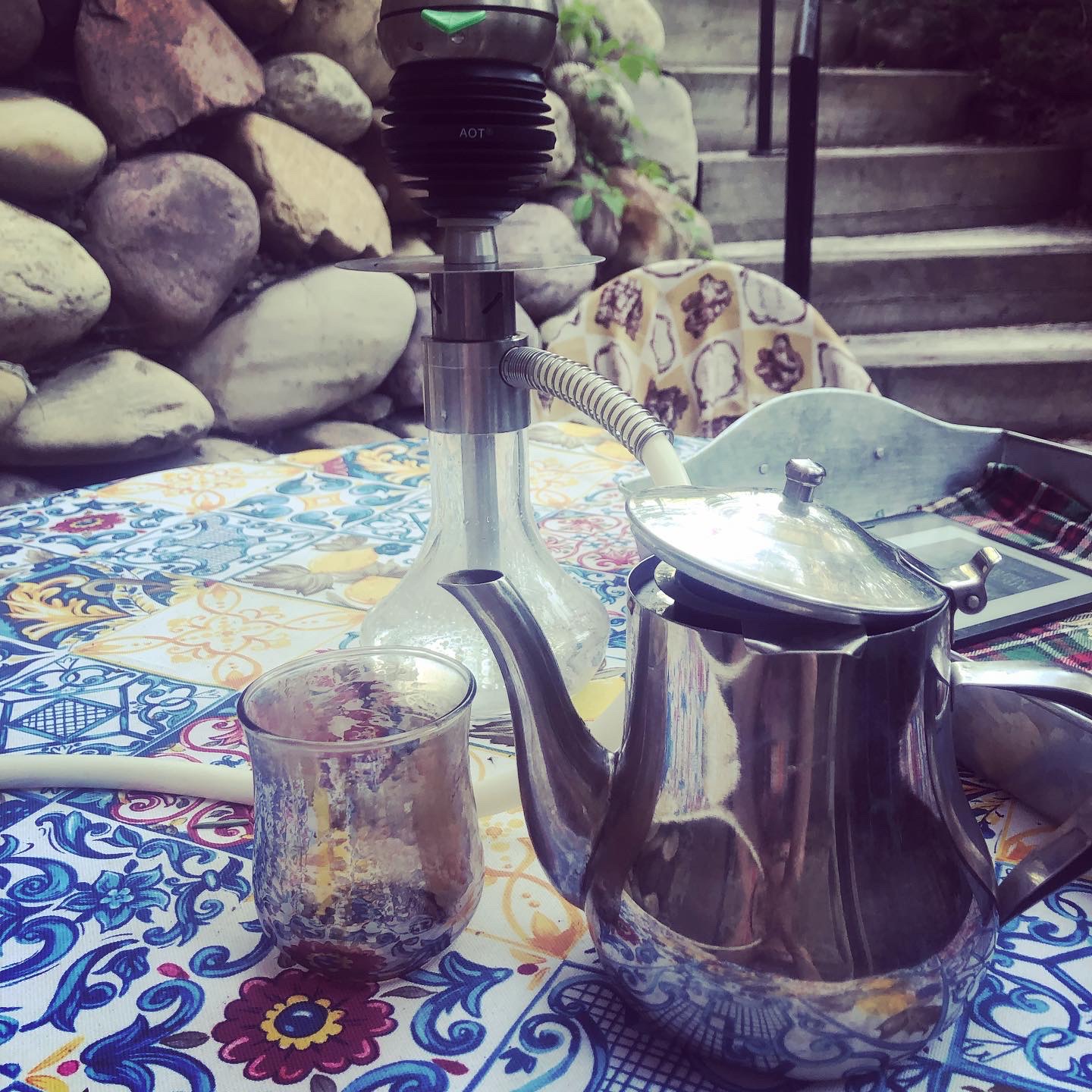
I make tea and sheesha and pull out my notebooks and the laptop instead.

The writing isn’t good. But it is. For today, that’s enough.

Thursday

Up early enough to write, it will be a good day. And yes, the morning is magic — I slide from morning pages to creative writing to the first work task effortlessly and I’m brilliant, I feel brilliant, sharp, alive.

Mid-morning, I relocate to the office to keep on riding the wave — I do ok. I feel a crash coming and I ward it off with a coffee walk — but not coffee — with colleagues.

I check in with the youngest son to see if he wants to hang in the afternoon but he’s ditched me for friends and I’m relieved, to be honest — tired, so tired and I have plans in the evening.

I trudge home — so tired, you know that story about how if you’re feeling low energy you should go for a walk? Ha. No, you should nap, the walk takes forever, my legs are made of cement, my shoes are bowling balls and my head so so so heavy—and I’m asleep almost before I cross the threshold.

But I manage to make it to a (really bad) comedy night (like, really bad, has nobody told these children how to structure a bit? It’s really not that hard — jokes are hard and being funny is hard, but giving your performance the semblance of cohesion is so easy, I can teach you in 5 minutes, are you willing you learn?) with a cute girl, and feel like a functioning adult who goes out and does things after work and that feels good.

Oh, and do you remember, I wrote that morning? Yeah.

Friday

This is way too much work for a Friday, but I’m on it, I got it, I do all the things, I don’t drop anything. And I start the day with my own writing. I know this is, if not exactly the secret to a good day… ok, it’s like this: If I do my morning pages, I may or may not have a good day. It’s a crapshoot, you just don’t know what will come. But if I don’t do my morning pages, nothing feels right for the rest of the day and I ache.

Check in on sons. Uncoordinated schedules. I feed one at 5 and the other at 6. It’s all right, the one on one time with each is nice. 

After they’re gone, I try to tidy the house. Give up as the neglected middle child, living on her own in Vancouver, calls. Essay emergency. We talk themes, metaphors, narrative hacks. 

Torment the cats for a bit, then trudge up the hill to see my love.

He’s sick, I’m exhausted, we talk a bit and watch Buffy the Vampire Slayer in bed.

I sleep.

Saturday

Up early, man unconscious, woman restless. I pack up and tiptoe down the hill to my place, count the cats. Still three for a few more hours. I feel ungrounded, confused — stop.

Write.

Set up cute writing area on balcony. Decide to indulge with sheesha again (feel a bit guilty about it, because nicotine is a nasty drug but also, it’s been a rough week, and I’ve been caffeine and alcohol free for almost two years now, give me something to feel guilty about).

I sheesha. I write. I read.

Mid-day, I plan a picnic and capture the foster cats, return them to their people. There is much joy.

Then I picnic with my still sickly love at a park with a view. We eat, talk, read, nap (me), drink too much tea (me), need to find a place to pee in the bushes (again, me, also, seriously, what is it with the lack of public washroom facilities in this city, do you think I like peeing in the bushes? No. I would very much like to pee in a clean public restroom, thank you very much).

We pack up when the sun starts dipping behind the mountains and it gets chilly. My place first — check on the cat, unpack picnic leftovers, pack computer and clothes. Up the hill next.

I take a long bath while he putters. Then we parallel play: I read a Georgette Heyer murder mystery so clearly inspired by Agatha Christie’s The Murder of Roger Ackroyd that I know who did it from the first paragraph while he watches a show (ear buds in) and stitches his leatherwork project.

Still no kissing but we finally feel more real.

Sunday

I write.

I feel good.

I write some more.

xoxo

“Jane”

Soul-searching, writer style

1

“I’m not sure how to examine my soul. I tried to do it by looking in the mirror but it made me feel all queer when I looked for too long. Hav you ever done that? Looked in the mirror and felt all queer?”

Elizabeth George’s character, Hadiyyah, age 8, in Playing for the Ashes

2

I most often examine my soul while looking at my toes.

I’m sitting, on a sofa, the floor, a chair with a footstool, a picnic blanket by the river, legs stretched out in front of me, notebook in my lap. I’m writing — and you’d think that I’d be examining my soul on the page, but no. The true introspection happens when the pen stops moving and I lift my gaze from the page to my toes. Then, the thought, the brief insight, the even briefer, more fragile truth.

On the page, I create my reality, craft and control the story.

Starting at my toes between paragraphs and sentences, I just am.

Most of the time, it’s easier to write.

3

I don’t mean that I lie when I write. But I choose: I choose what to tell, what to omit. Where to assign meaning. Where to deny it.

It’s not therapy but it is a fantastic coping technique.

4

“I’m fine with it and actually, it feels good so long as I don’t think about it too much.”

Me, to you, explaining that not very important thing that doesn’t bother me at all

5

I can write myself into peace. Or into despair, anger.

Most of the time, I choose to write myself into peace.

Sometimes, I let myself write the pain. But not too often.

It doesn’t feel good, you see. So why would I want to choose that?

6

Have I ever told you about my theory that nothing actually exists until someone imagines it? Like, there were no rainbows — or black holes — until a human imagined them them. And then — presto.

The spectrum of light, including indigo.

(Seriously, how take is the colour indigo? Fake.)

Her: Problem: Who imagined the humans?

Jane: Dumb question. The demiurge, obviously.

7

Sometimes, my love and I watch Esoterica together — a vlog about religion, magic and alchemy, hosted by a Jewish scholar — married to a rabbi — who is somehow able to fulfill his curiosity about all things esoteric without losing his faith.

Sometimes, I envy him.

Other times, I think he’s a liar.

8

I look at my toes, but there’s nothing there. This disturbs me; I go back to the page.

9

I think maybe what’s happened is my soul is on vacation. That’s why I can’t find it right now now.

Don’t worry. It will come back.

It usually does.

10

The dog and cat are chilling with me on the balcony. The morning sun feels good on my skin. A human I love sleeps upstairs. A few blocks away, my eldest son is probably still sleeping too, re overing from a 10-day adventure in British Columbia with childhood friends. Some 1000 kilometres across the mountains, the neglected middle child has finished her spring semester and is enjoying a visit from her dad and her youngest sibling.

Maybe there’s a reason my soul is not in my toes.

I close my eyes and let my thoughts touch the tendrils of the souls I love, near and far.

I sigh with contentment.

I write about it.

It’s not a lie.

xoxo

“Jane”.

But see, we’re all doing it all for the first time…

1

Today’s view: a sun-baked Cairo street, which I’m observing from a shady, cool Cairo cafe. I’m drinking Turkish coffee and smoking double apple sheesha as payment for electricity and wifi. The mid-day prayer is on the radio in the background. One of the waiters refreshes my coals, the other unobtrusively prays. The hostess leans against the front door, scrolling through Instagram.

Me, I’m writing, very much at peace, resting after a morning adventure of roaming the back streets of Mohandessin — the neighbourhood where I’m staying — and getting thoroughly lost — then found — in its slanted gird.

I won’t lie — I experienced a flash of panic at one point after my phone died, but oh, the exhilaration when I finally recognized a landmark and found my way back… Not quite as intense as the exhilaration that followed surviving the Blue Hole, but pretty close.

2

Last night, overwhelmed and overstimulated — Cairo is a lot — I open Instagram myself and get lost for a while in friends’ stories and strangers’ reels. The Instagram algorithm is confused or malfunctioning and throws me into Get Z/ young Millennial dating angst.

Get X dating angst exists, of course, but it must be different: We’re older, after all, and we remember (maybe) how to meet people offline and differentiate better between online and IRL. Also, those of us who were looking for the one true love, marriage and children have already done it and we’re now either unhappily married or happily divorced and in a very different place than a twenty-something looking for the one (or to increase their body count) (both laudable goals; no judgement here for either choice).

But maybe not — what do I know. Maybe it’s just me and my crowd and the rest of Gen X is as whiny as these Gen Z influencers. In any event, for me, my own angst at 50 is all professional and creative. As far as my heart goes, I’m at peace. And I really enjoyed dating in my 40s — enjoy it still in my 50s (that still feels so weird, btw, that I’m now in my 50s, how did that happen?).

And from this smug standpoint, I look at the Gen Z and Millennial dating angst — and advice — with amusement and compassion.

3

The Instagram algorithm throws mostly straight cis Gen Z men (I’m trying not to call them boys — they so desperately want to be men) into my feed. It’s not entirely broken so I’m ending seeing mostly dudes who a) are getting laid regularly (Congratulations!) and b) want to unpack toxic masculinity. The enthusiasm with which they offer advice to to other men and to women is… adorable. Yeah, I can’t think of a better word. Adorable.

(But also — is men giving dating advice to women mansplaining? Cause I sort of think it is…)

(But also — why is Instagram not showing me any women giving men dating advice? Cause I know it must be out there.)

(And also… why am I still doom scrolling Instagram? I’m in Egypt. I should be doing Egyptian things. Or Egyptians.)

Their advice to women, btw, boils down to, “Don’t date assholes.”

Their advice to men is, basically, don’t be an asshole.

4

Here’s some unsolicited dating advice from a queer Gen X women with no agenda: Think of dating as both exploring and building on existing connections. Date your friends. Meet your friends’ friends and families. Date your children — by which I mean, put as much effort and creativity into your plans and relationships with them as you would to a new romantic love. Do fun things with fun people, even if you don’t know them very well. Invite people to your home for coffee, for dinner, brunch, movie nights. Meet for work or reading dates in cafes. Go to art galleries and thrift shops as a group of friends.

Invite the strangers you’d like to get to know better to hang out with you and your friends.

Take the pressure off, you know? There’s no stress, no end-game, no agenda. Do fun things with fun people — build community in the process.

There doesn’t have to be an agenda.

There is no end game.

5

During my 2.5 weeks in Egypt, I meet many people, have lovely experiences and stay celibate.

This surprises me at first, because a) I’m very slutty, b) Egyptians are beautiful, and c) I’m here during my bad decision week (i.e., I’m ovulating). But I’m never tempted to escalate things and on reflection, it makes sense. I’m in a constant state of low-grade anxiety and hyper vigilance because everything is new, different, often overwhelming. As a result, my sex drive is suppressed. 

It’s not that I don’t feel safe — but there’s too much to navigate for me to feel sufficiently comfortable to want to get naked with a stranger.

Is that what’s happening with Gen Z? Too much to navigate all the time?

Maybe.

Back home in the wee hours of each morning (Egypt does not sleep), I check in on my kids, debrief with my partner, send photos to my loves and friends.

I feel at peace.

But I’ve already told you that.

6

Aging is weird.

It’s weird in an even more profound way that motherhood is weird.

Think about it — aging.

It’s inevitable.

Everyone gets older, more experienced — more physically fragile — eventually dead.

Everyone who’s older than you has been your age once. 

Everyone gets older.

But for each of us, every year, every stage — every day — is new.

This is the first time that I’ve been here, that I’ve been this me. Almost 51. (Or, as my daughter would frame it, basically dead.)

In a bizarre way — I’m new to me.

Isn’t that kind of weird?

I t feels weird.

Not bad.

Just, you know… new.

7

I finish my coffee, sheesha and writing. Grounded in myself and solitude, I get ready for the afternoon and night’s adventures.

I’m so grateful — for this experience.

For self-awareness. For Loops and low prescription glasses. For this feeling of piece in the midst of chaos.

And I wish I could tell the Gen Zs that it will come to them too, with time, with experience — when they take the pressure off — and they don’t have to go to Cairo to get it (but hey, if the Nile, the desert and the pyramids call you, you should definitely come visit).

Of course, they won’t believe me.

Because they’re doing it all for the first time.

xoxo

“Jane”
Writing is easier with a view

1

In On Writing, Stephen King describes how, after he faced up to his alcoholism, he rearranged his writing room, getting rid of the massive desk that used to dominate it, and replacing it with a smaller one, which sat in a corner of the room, while a couch and armchairs, where his kids could hang out, took centre stage.

It’s been a while since I’ve read On Writing, and the person I lent the book to never returned it so I can’t flip through it to check the details, but I still remember King’s moral in that section: “Life isn’t a support-system for art. It’s the other way around.”

Or, to put it less elegantly: Writing isn’t life. Life is life, and writing is part of it. Writing happens in the middle of life.

You can write anywhere. I can write anywhere: I’ve finished stories in hospital beds and on airplanes. As a professional writer, you would train yourself to write anywhere.

But still.

Writing is easier with a view.

The view isn’t about beauty or distraction. It’s about life — and what life provides for a writer is context. Connection. It reminds you of what what, the why… and the how.

Her: What does that even mean?

Jane: Hush. I know it’s nonsense. But I’m on a roll.

2

I’m in Egypt, sitting on a south-facing balcony in Dahab. Have you heard of Dahab? I hadn’t — it’s basically a resort town in Sinai, nestled between the Red Sea and a mountain range that includes Mount Sinai. Yeah, I’m basically a stone’s throw away from where Moses climbed a mountain to have a chat with a burning bush.

I’m here with a woman I met six years ago on a dating app and who is now a close friend of my heart. People here ask us constantly how we met and the conversation goes something like this:

Them: So how did you two meet?

Her: We met on a dating app. Six years ago.

Them: Oh, wow, I guess it worked out really well!

Me: Um, not really, we did not work very well as lovers.

Them: [Fall silent in confusion]

Us: Hee hee. Any more questions?

Disastrous as lovers, as friends, we are the secret ingredient. Also a little terrifying to the fabric of the universe.

Dahab was made for us.

We don’t really do much. We move from each cafe to beach cafe, drinking Bedouin tea and Turkish coffee, smoking sheesha, eating too much. At the end of each day, we swear we will never eat again. Every morning turns us into liars.  We’re starting to get concerned none of our clothes will fit by the time we get back to Calgary but who can you say no to street mahshi, enthusiastically sold to you on the street by a Bedouin woman with a TikTok account? Or baladi bread that’s made right in front of you and put into your hand scalding hot from the oven?

On the one that day we do do something, we snorkel through the Blue Hole, which boasts the most diver fatalities in the world. I don’t find this out until later — and we’re snorkelling, not diving. Free of this information, I still have the single most terrifying experience of my life.

So much blue. So much space. So much, so much, so much water.

My friend has a life changing experiences, becomes god, realizes she was meant to be a fish.

When we get to the shore, I sit on the steps and cry and shake for 20 minutes in sheer relief that I’m still alive.

She holds me and vibrates with joy.

3

The next day, my view is turquoise water, red sand, entrepreneurial Sinai children, wild German shepherds and the occasional sun burnt Russian tourist. 

I have random thoughts. About generational trauma, childhood imprinting and the freedom stray dogs and cats enjoy — and its price. And how the thing that travel should teach you is that no matter where you go in the world, people are the same: They love their children. They enjoy sharing food with their friends.

They want to be happy.

What travel seems to teach you instead: Tourists are evil. Also, why is it that Western cultures export the worst of themselves — rampant capitalism, conspicuous consumption, so much fucking plastic — to every corner of the world?

Still. In the middle of all of this: People everywhere love their children. Get joy from sharing meals with their friends — and strangers.

Want to be happy.

4

Writing when I’m away from home reminds me how easy it is to write at home. Also, how easy it is to get lazy about tit.

And it also reminds me how lucky I am. Since before I could remember, I’ve had two desires: To be a mother and to be a writer.

I am both.

How lucky am I?

5

It’s only been a day but, back in Cairo, I already miss Dahab. Cairo is beautiful and intense — overwhelming. Dahab, for all of its fantasy-like quality (seriously the blue of the Red Sea looks fake), feels like home.

But I won’t come back.

What I love about Dahab is already being spoilt by development — new mega hotels, new summer homes, everything on a lavish scale. I was lucky enough to get a glimpse of what it was, to still enjoy what it is.

I will not love it five years from now, I know this.

6

My view today is a soccer game on a TV screen in a sheesha cafe in Zamalek. I’m writing, thinking, reading, catching some solitude before joining my friend and her friends for a Cairo Friday night. There will be food and tea, enthusiastic conversations I can’t follow, maybe dancing, maybe Afghani vibes.

Afterwards, exhausted, I will sleep like the dead. Write in the morning.

Think about the discipline I want to bring back to my writing practice when I return home.

Life is not distraction.

It’s context.

It’s source material, an ever-changing view.

xoxo

“Jane”

.

That time nobody heard the tree fall

1

Today, I miss the privacy of public writing.

Not a paradox — if you write publicly but anonymously (or under a pseudonym no one’s yet cracked), you have a freedom that disappears as soon as you’ve outed yourself (or been outed). 

When your public writing is fully attributable — when you are identified in each and every word — you’re more accountable, sure, but also, your writing loses some of its edge.

I know that my first novel — the one that I thought no one would ever read while I was writing it — while in many ways my worst one remains my most honest one.

(Fiction can be honest; good fiction must be honest. You know that.)

I know that my blog can’t touch some topics, because it’s now read by my parents, occasionally kids and day job colleagues. I can’t go there, I won’t go there — you don’t get to know that about me.

So many experiences, ideas, rough drafts never leave my notebooks now.

Sometimes, I censor myself even in my notebooks.

It happens like this: I’m writing, maybe for myself, but suddenly, an audience obtrudes. I’ve written professionally for all of my adult life. It’s second nature for me to write for the reader. And a journal entry or morning pages rant morphs into a proto-blog post, an article. Honesty is replaced by craft, technique. As it should be — honesty without technique is a bad first draft of a confessional poem shared at a pub’s Open Mic.

Technique with compromised honesty though can become a lie.

Sometimes, I want to write — and share  — the truth. 

And I miss the anonymity of the 2009 “Jane” and my other pseudonyms.

2

The opposite argument: If you aren’t willing to sign your name to it, you shouldn’t publish it.

Should you even write it?

3

Younger me — journalist me — pre-romance novelist me — was all about the integrity of the real byline.

Older me has increasingly recognized the need for silence, anonymity, self-protection.

Fragile me, today, thinks art can be anonymous.

Exhausted, overstimulated me, who just wants to write stories and has zero desire to be a YouTube, Instagram TIkTok etc marketer and content self-promoter, is starting to think that art doesn’t even have to be shared.

Make it.

Put it in a drawer.

It exists.

That’s enough.

4

Her: You don’t really believe that.

Jane: It might be a self-protective lie. I don’t know. But it feels like the truth.

5

The force that doesn’t want to keep art in a drawer is ego. Vanity. But it’s so good. But it can help people. But I made it. But isn’t it special?

Can it be special in a drawer? In a notebook?

Fun fact: I never feel much angst over writing as other people. It brings me a lot of pleasure. And the work is still out there.

I know I’m not fully at peace with writing… and not sharing. If I’m not going to share — sell, publish — why am I writing it in the first place?

Seems unprofessional. Self-indulgent.

Story: I want to exist.

Jane: I know. Here you go. You are told, you exist.

Story: Are you going to show me to anyone?

Jane: Not you. Not yet.

Story: Then am I really here?

I know stories don’t have existential angst. Not really.

Do they?

6

Sometimes, I would like to tell you a story without you knowing that I’m the one who made that story.

Sometimes, that’s the only way to tell the full truth.

That’s why so many of our best, most enduring stories are such outrageous fairy tales.

Story: Is that what I am?

Jane: No. You, for now, are a secret. Isn’t that special?

The story does not believe me. But as I haven’t told it to anyone, it doesn’t even exist — so what does it know?

Xoxo

“Jane”

Time travel

Monday

It’s a travel day, and I’m at the airport by 5:30 a.m., on the airplane before 7. The plane is half-empty, which never seems to happen these days, and it’s glorious. There’s nobody next to me and I sprawl. Glorious.

I take the awkward “on the plane but no laptops” time to read a Simon Brett book – one of his newer ones, Guilt at the Garage, in which the 79-year-old male author’s heroines are mid-50s women. Neither Carole nor Jude are as attractive and fun as Charles Paris – the alcoholic, womanizing, often out of work actor who made Brett famous in the 1980s – but they’re fairly real. The Paris books are maybe politically incorrect now, as is Brett’s Mrs. Pargeter series (in which he writes a late 60s/early 70s heroine, and I don’t think he does this particularly well, but the series has other redeeming features, so I’ve devoured it all anyway). But as stories, as novels – they’re better. This makes me sad, because as a writer who’s occasionally achy in my bones and who sees the spectre of old age creep ever closer – and the possibility of that breakthrough novel creep ever farther – I don’t like evidence that suggests we reach our peak in our 30s or 40s.

Still. Brett is still writing. As am I.

Turbulence is nil so I open up my laptop 35,000 feet above the ground. Ever stop and think how crazy that is? Here, in this crazy time, in this crazy moment, I am in a metal tube above the clouds, hurtling around the globe at 850 km per hour, and while I’m doing this – I’m pulling out my laptop and working. 

I have a couple of workshops to facilitate on my whirlwind trip, and speaking notes for a big event to finalize before the end of day. I’m working on them while sitting in a pretty comfortable seat (thank you, Porter Airlines, please don’t go out of business), flight attendants intermittently bringing me coffee and cookies.

I feel so lucky.

The previous Friday

I’m, I suppose, a seasoned traveller. I’ve spent my childhood on planes. I pack light and I pack quickly. For my Monday morning flight, I pack as soon as I finish Friday’s laundry.

I want to treat myself to a work-free flight, so I start the day aiming to finish all the things before I log off for the day. But I hit my usual afternoon wall of brain fog. I know I have two hours, less, of work left. But it’s two hours of how I function in the morning or early afternoon, not the way I function in the late afternoon or evening. I can finish my work today. But it will mean working until 8 p.m. Maybe 9.

I log off, walk the dog, get Ender a sewing machine, feed the progeny, dress up, go dance with the Hot Dyke Party at the High Performance Rodeo.

I will work on the plane on Monday. I’m so, so lucky.

Earlier that month

It’s not a good day. Focus is hard and loving people is hard. Remembering people exist is hard. My work feels meaningless, the cats shed too much, there’s nothing good to eat in the house, I want a cookie, you’re not here, I want to cry, I can’t write.

Well. I can always write. I can’t write well.

I pull out a notebook and I write badly.

I switch to the laptop and I write some more. Maybe a little less badly. Hard to tell.

Ok, that part, that was actually ok. More like that.

Deep breath. One more scene? No. I’m tapped. I haven’t hit the wall yet but I see it. Today, I can’t deal with the impact.

There’s still nothing good to eat in the house and I still want a cookie. I eat some uninspired leftovers for an undefined mid-afternoon meal and promise to take myself out for dessert in the evening.

Maybe that Thursday, or the one before

She’s also a Simon Brett fan, and she also thinks Charles Paris is the best character Brett has created, although she also likes the de-cluttering series and its heroine, Ellen Curtis. I don’t – Brett tackles mental health issues in that one, and while he does so sensitively enough, I suppose, he doesn’t do it well. It’s all so contrived. And he may well be writing from the heart and from personal experience, I don’t know. I’m reading from the heart and painful personal experience too. It doesn’t ring true.

That’s the challenge of all writing: Can I dip into my darkness and make it real for you?

It’s pretty easy to do with joy. Joy, ecstasy – we can connect on those with almost anyone.

Grief, pain, horror?

We all think we suffer alone, our suffering is unique.

And even though it isn’t, that’s the way it feels. Always.

Sunday afternoon

I pick you up from the airport, and you’re my cookie and my dessert, and the wave of happiness that hits me almost drowns me, I can’t breathe.

(See? Everyone can relate to that. You can celebrate with me. Grieving together, that’s much harder.)

We stop at my house to check on Ender, who is on his third day to becoming a master sewer. I’m astounded by the progress he’s made since we got him the sewing machine on Friday. He’s made, like, pants. Also a toque. But pants! Three pairs – the last one is, he decides, wearable.

Children are astounding.

I look at this human who came out of me – seriously, how weird is this, I grew that thing, I literally made him inside my body and now there he is, coming up on 6 foot 2 and making pants on a sewing machine, how is that possible, how is that real, how is that life?

I feel so lucky.

I hold you tight.

Tomorrow and the day after

I have meetings, workshops, dinners, a full agenda. I’m 3500 kilometres from home and 4200 kilometres away from Flora – this always matters, from Calgary I can be in Vancouver within two hours if I need to be, from Toronto, it’s a harder, longer trip.

I anchor on the page every morning. Good morning and good night texts. Do you have a few minutes to talk? Maybe.

I try to remember that I’m so lucky. I’m here and you’re there and we can still talk. And I’ll be back soon.

In the evenings, after dinner, I curl up on the hotel room bed and pull out the laptop.

I write.

I’m so tired.

xoxo

“Jane”

I’m so lucky.

The unbearable pretension of writing about not writing

i

I’m sitting down with Julia Cameron at the end of an introspective day. Julia writes:

Creativity is a spiral path; we pass through the same issues over and over again at slightly differing altitudes. I have written twenty books, some more easily than others. My own perfectionism is not banished, just disguised. Now I call it “having standards.”

I recently threw away two hundred pages of work, judging it as simply “not good enough.” Perhaps with more patience, the work could have been improved. Perhaps with more self-forgiveness, the work could have been seen as promising. But perfectionism is not patient, not self-forgiving. 

Perfectionism doesn’t believe in practice shots. It doesn’t believe in improvement. Perfectionism has never heard that anything worth doing is worth doing badly – and that if we allow ourselves to do something badly we might in time begin quite good at it.

I feel I’m writing badly these days. Everything is pedestrian, flat, uninspired. I’m practicing – but am I practicing bad habits? I’m writing – but to what purpose? My mind feels fuzzy, my heart heavy, my body heavier. I am bone tired, broken. The words on the screen are dead, my career as a novelist is dead – why do I bother?

Then, suddenly – a hit of clarity. Sharp lines. Focus. A sentence. A sprint. A blessed moment of relief… Lost. Fuzzy again.

But I remember the clarity. I think I’ll find it again.

ii

I think. I don’t know. A decade ago, I probably could have written, “I know I’ll find it again.” Today, I doubt. As I read through Julia Cameron’s Finding Water, I feel Julia and I are working through the same dark valley. 

She’s telling me to trust. And also, to play more. Isn’t she?

iii

I’m back to work after an almost two-week break from all the jobs, two weeks of resting, reading, celebrating, parenting. Playing, too: I danced, I hosted, I laughed. I consciously and conscientiously did not work or write – beyond my morning pages – and I did not think about working (but I did think a fair bit about writing).

My work day is slow – no meetings, few interruptions, plenty of time to think and ground myself. It feels like an unproductive day. I have to remind myself that days like this are both a critical part of the process – and a gift from the heavens.

Take it. Think. Stare off into space and let the source material marinate. Creativity happens at the margins, at intersections. It needs quiet days.

iv

I’ve been sabotaging my quiet days for several years now. Today the temptation is strong. I resist. I know what I have to do. And it’s not write more, do more. It’s just this: Sit in this space for a little bit. Write a little, think a little. Rest. Read a few pages of my book. Write a few lines in the process journal.

I have a short story that I’m working on – well, thinking about working on, let’s be honest – so that I can make myself finish something that’s 10,000 words instead of 100,000 words. It’s unsellable but maybe an anthology will come around that it works for. Or I can throw it on Kindle Unlimited to compete with all the AI generated crap. The thoughts come: What’s the point? I don’t want to compete with robots if humans can’t tell the difference.

I push them away. I don’t have to publish. I don’t have to sell. I just need to finish.

Step one to finishing: Start.

v

I start. Well, I started a week or three ago. The plot exists on 15 sticky notes and I have one roughly drafted scene. The idea is good. My execution is awful. I have two options. Option 1: Plod through the awful execution and see if it gets any better. Option 2: Take a step back and see if the idea needs more marinating – more thinking – before I resume plodding and hope the plodding turns into flight.

When you don’t have a contract or a deadline, you can choose Option 2.

Unfortunately, choosing Option 2 looks and feels like inaction.

Even when it’s the right thing to do.

vi

I delay choice, which is another kind of inaction, and deal with the resulting ache by writing about not writing. The words are flat, uninspired. I put them on the page – but to what purpose?

“Because writers write,” Julia says (writes) and I hate her.

Then, suddenly – a hit of clarity. One strong line, so sharp (did you catch it?) – an anchor. I build around it. Relief.

“Not good enough, not what you should be doing,” whisper the demons.

Silence. I’m doing. It’s enough.

xoxo

“Jane”
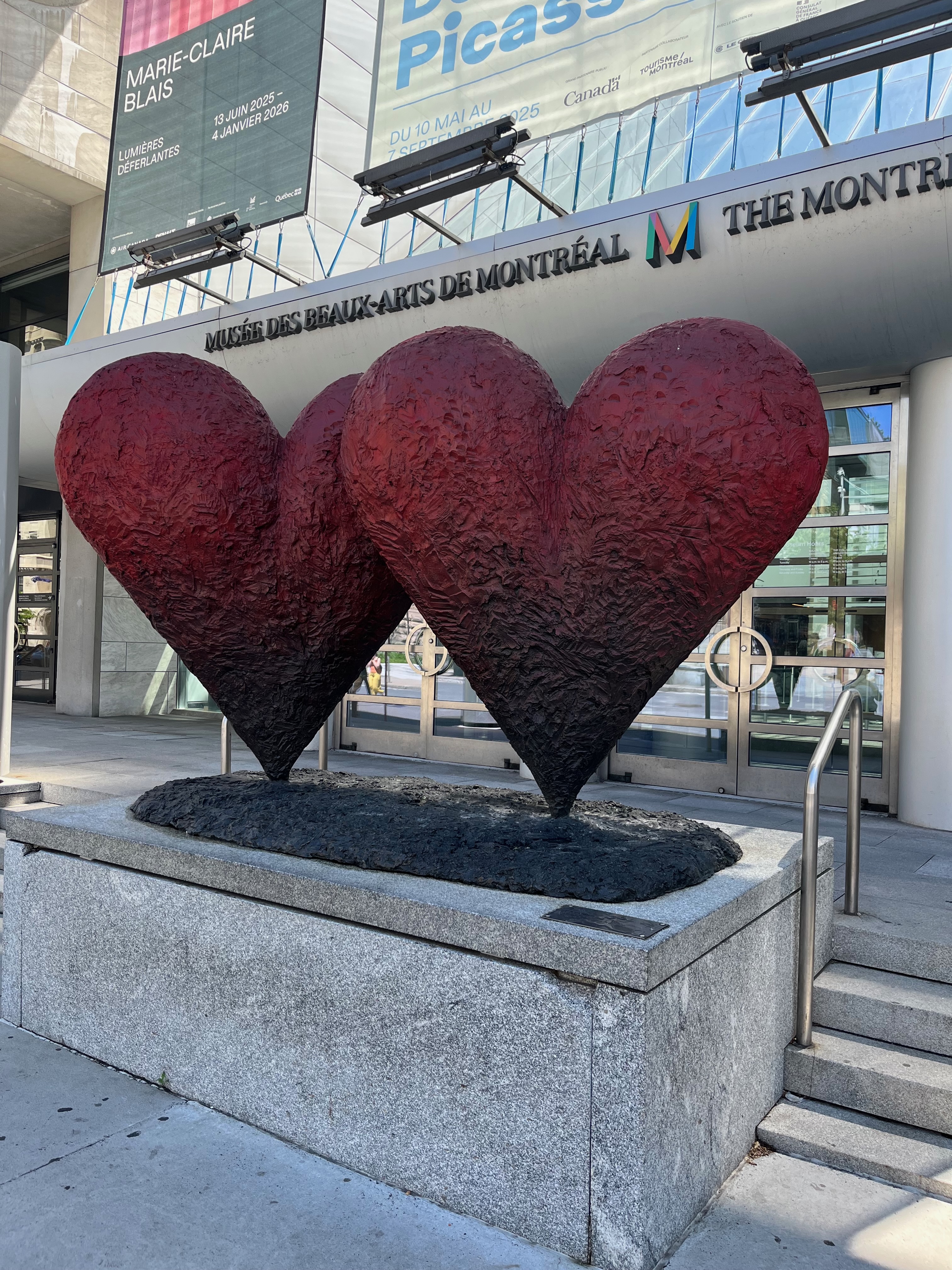
Enjoy the silence?

i

The dark, by all the calendars, is on the retreat now. The nights are getting shorter and the days longer, even though we cannot see it yet. Every day, a few more minutes of sunlight. Less than three months until the Equinox. We haven’t made it yet, but it’s possible to think we will make it. 

Probably.

The holidays are over — New Year’s Eve isn’t a holy day as such, is it, there’s less pain and pressure around it. My body is stepping out of holiday stress and focusing on its season of pain. The shift comes, as it does every year (why can I not remember this): the pain isn’t pleasant, of course, but the suffering has an edge of both clarity and acceptance. This is what is, this is what matters.

What matters, when I have this clarity, always boils down to two things:

1. Are the children well, safe, secure — thriving?

2. Am I writing?

After that, things can get confusing and messy, fluid. It doesn’t matter. No life needs a dozen North Stars. Two can be too much, cause sufficient conflict.

ii

It’s a lazy holiday morning and we sleep in, you more than me. When you wake up and we begin our shared day, you ask what I’ve been up to. I tell you.

“You’ve had a whole adventure while I slept.”

You exaggerate, but I know what you mean. I woke up. I wrote my Morning Pages. Then I prepped breakfast, I had a long, long (hard-earned, but that’s another story) bath, I Duolinged, I read my book, I checked in on the children, I invited friends to a gathering, I tidied. I read again.

I didn’t get lost in Instagram reels or online shopping for lovers, ever-present dangers.

“I started with Morning Pages,” I tell you. “When I do my foundation, everything else flows.”

Not 100% true. But true on this day.

Beginning the day on the page is a writer’s prayer, meditation. Unlike Julia Cameron, who introduced me (and half the world) to Morning Pages in The Artist’s Way, I don’t think Morning Pages are a panacea for all and sundry. But they work for people like me — writers, story tellers, people with busy, expressive minds. Prayer, meditation, running, exercises or even a ritualized hot breakfast may fill the same role for others.

They are the foundation on which I build the rest of my day. First, the Morning Pages, then, everything else — pleasure or work. Whenever I skip the Morning Pages and jump straight into work or play, I am unmoored for the rest of the day.

Unmoored, despite knowing what I need, I don’t give it to myself later in the day. I know writing for a while would give m the anchor I need — but if I haven’t done it first, I do not give myself the time to ground myself on the page later.

(In my first draft, I write: “I don’t find the time.” But time is not lost. It’s there. All round us. It’s not a question of finding it, is it? It’s a question of giving it — to ourselves, to our writing practice — or to exercise, to whatever it is that we know we need.)

Unmoored, I don’t give myself the time.

I get lost in Instagram reels instead.

iii

I don’t make New Year’s resolutions but I like the opportunity each new year, each first of each month, each Monday for that matter, offers for reflection and action. 

The clarity that comes with the pain that walks with me this time of year tells me I need more silence.

For the past few years, I’ve needed to fill the silence — with audiobooks and cat videos and commitments and people. No guilt or shame about it (ok, maybe a little — the guilt is ever-present). I needed it. I did it, I’m here.

But I know creative work — good creative work — needs silence.

So in 2025, I need to turn down the volume.

I’m scared. Silence isn’t actually silent. It’s full of voices. 

I’m not sure I’m ready.

But I’ll try.

And if I need Rex Stout or Simon Brett to help me fall asleep or just not think in the middle of the night, I’ll use them.

But I’ll try to use them less.

Instagram reels, however, I think I can eliminate in their entirety,

Wish me luck.

iv

On Solstice, at a writer friend’s artsy, witchy house, we write down what we want to let go of in 2025 and what we want to seed, and then burn our intentions. (Of course we burn them, how else will they reach the gods we don’t believe in?)

I want to let go of guilt — I feel so much guilt right now, in so many different forms, including guilt of not having published or finished a stand-alone work for more than four years now.

What I want to seed is private and complicated. As I’m about to burn it, I realize that in a very full articulation of what I want, I don’t touch on writing. At all. Should I have? (Guilt.) I take my pen back to the page, hesitate.

I add, “I have not written anything about writing here. What does that mean?”

(Guilt.)

I burn the intention. I carry the guilt home with me. I tell you about it in the night.

You suggest writing is such a core part of my life, of who I am and what I do, that I didn’t need to create an intention around it.

But shouldn’t I want to write — or at least finish — another book? Isn’t it time?

Guilt.

Well. Letting go of things is a process.

v

The holidays are over but the New Year is not yet here, and we’re in that in-between time during which, if you don’t have to work, time loses all meaning. My past self is bleeding and in medically-assisted denial. The ER doctor has sent me home. “Wait and see.” When I come back, it will be too late but I don’t know that yet. I wait and see.

My present self feels her pain, fear — guilt. Can’t quite turn it into art, not today. But I also know that she has done so in the past — I have done so in the past. Repeatedly. This is the pain I tap into every time I craft the Dark Moment, every time I make you cry with a story.

Today, though, I can’t craft fictional Dark Moments. But, I write. Morning Pages first. Straight from that into this, an exercise in short-form creativity, a reminder that something doesn’t need to be 100,000 words long before it’s finished. Then, a pause for exercise, which I don’t particularly want to do but I need to do. Ok. Done. Now some time with Julia Cameron — I’m working my way through Finding Water: The Art of Perseverance. It helps.

Next, check in on the kids. The eldest is working, the younger two recovering from Christmas. Do they need me? They’re not sure. We might go to the mountains or thrift store hunting. Or just chill , separately or together. I don’t mind the uncertainty — I have written , I’m at peace, I can take whatever the day throws at me. 

I can even, today, do nothing. Spend a little bit of time in uncomfortable silence. Remember how to tune out the worst of the demons that eat me and tune into the deep voices that feed me.

I will try.

The dark is receding. I will try.

xoxo

“Jane”

And again with the existential angst

i

This is why people talk about the weather, I say, wiping my eyes.

I much prefer these conversations, you say, kissing my years.

Theoretically, so do I. Except when they hurt this much.

I can’t quite remember how we got to existential angst — except that all paths seem to lead there these days. Do you remember how we got here? You mentioned human trafficking and I talked about idiosyncratic causes — and cause fatigue, so many things to do battle for, what do you choose — my lack of the activism gene — I know there’s no such thing, one of my few brags is that I know how genes work, still, it’s a useful turn of phrase, I don’t think I have the activism gene — we inevitably went to end-stage capitalism, my brief (oh so brief) sting with an Antifa cell (don’t ask and don’t start a dossier on me, it was pathetic), your attempts to redirect my tears by talking about how small actions touch people, transform them, make life better for them, and surely that’s enough, that matters (but nothing matters and if nothing matters why does this matter) and then my navel-gaze, clumsily articulated, statement that I used to believe that the best way to make an impact on the world, to shape it, in however a small way, most effectively was to live the life we wanted to live.

And I lived that life — I lived in cooperative housing so my family would have community and housing security without me having the chain of a mortgage wound around my throat, I freelanced so that I would have the freedom — I choose the word freedom, not ability, consciously — to be my children’s primary caregiver and also not be dependent on any one employer (or any one person). I attachment parented and homeschooled my not-quite-neurotypical brood while paying rent and getting food on the table writing and it was a really good life.

No regrets about the past really — but regrets about this: What did it accomplish, really? It ended and now I have a mortgage. Children in school. A Monday-to-Friday, 9-to-5 (sort of) job-job.

I’m just like everyone else, I’m living the life I never wanted — in many ways, a life that feels out of synch with my core values.

I sold out. (And, if you think about it, not for very much either — for housing security. The end.)

Cue the tears, cue the existential angst.

ii

My eldest, who, to be painfully honest with you, has told me that he wishes he hadn’t been homeschooled because school would have “taken the rough edges off” his weirdness (I prefer the word uniqueness) (also, I don’t know how he thinks he would have survived school, especially the elementary school years, but, ok) (also, he’s not weird, he’s pretty much exactly like me — does he think I’m weird??).

And he thinks I homeschooled them all because of ego.

I suppose it’s true in so far as I thought I could do better than a random teacher with a class of 30-40 kids in a system I consider highly flawed. And it’s true that my angst right now is about ego. The path less travelled etc etc and at the end of it, what do I have to show for it? Long forgotten articles, books no one reads and that failed to pay the rent, a child who wishes I had made other choices — another who’s absolutely thriving in said highly flawed system, indicating he’d probably have thrived in it from day — how exactly have I changed the world, their lives, anything, by those early hard choices?

God knows I’m not changing it. Mortgage. Job. All the usual dependencies, restraints.

It is ego. Who am I, after all, to have these delusional ambitions?

An insignificant speck of dust on an insignificant planet in an insignificant universe.

You counter by pointing, again, to my children and repeating that it is the “peopling” that matters. The lives we touch, the children we raise, the people we help. True enough but not enough, you know? Especially when you feel that everything around you is on fire. During the prairie summers these days, literally.

iii

I try to bring myself back from the angst and the tears to the positive. I gave my children the childhood I thought would serve them best for as long as I could. I gave them love and security and freedom to be themselves, to find themselves. I supported my family — and myself — by writing for a living since I’ve been 17. Isn’t that something, isn’t that worth something?

You see all those “I” sentences above? Yeah. It is all about ego. My ego does not want to be unimportant, unnecessary.

And we know what the solution to that is, don’t we?

I really hate it when life throws up evidence that the Buddhists are right.

iv

I’m sitting in the sunlight-flooded living room of the beautiful townhouse I own via an extortionate mortgage that I could afford because of a Monday-to-Friday, 9-to-5 (sort of) job-job in which I’m still earning my living writing (and thinking, which is harder) and in which I do have an opportunity to touch people’s lives and hearts and make a difference. I start my days writing from the heart, I spend the day with lovely people writing from the mind. Sometimes, I write again from the heart in the afternoon and one or two evenings a week, I help people who want to write bring their stories to life.

And stories matter.

Even if I don’t.

v

There are still tears as I write and this time you’re not there to kiss them away. I’m not sure I’ve solved anything for myself. I have not dissolved the ego, I have not forgiven myself, I have no arrived at peace — or even glimpsed the way to peace.

But I remember that there are three children in the world who know that they are loved and that I’m there to drive them to school, work or the ER when they need me, no matter how bad the roads are. And that I always have snacks for them. And if I squint really hard into the past, there have been one or two articles in the past that shaped public policy and public opinion. And while my books don’t change the world, they do give their handful of readers pleasure. And maybe, occasionally, point the way to freedom.

Take that, ego, and be satisfied. Let me lead an ordinary life.

With fewer tears.

xoxo

“Jane”

PS The writing instructor’s notes to self: Bad headline, too may run-on sentences, chaotic structure. The CTA doesn’t really follow from the lead. Rewrite, tighten up and ramp up the positivity to give the reader something beyond your teary navel to focus on. Don’t hit publish until you do. What are you doing? Why are you hovering over that damn publish button.

Jane: Sometimes, the revolution/reframing starts sharing the shitty first draft from the heart. 😉

On losing the plot

It’s easy to write when you know what story you want to tell.

When I teach writing, whether creative or business, at some point I always insert this truism: Writing is easy. Thinking is hard.

Solution: Don’t write and think at the same time.

I’m currently not writing — this may confuse you, as you’re reading, and of course I write every day at work — but I feel I’m not writing. By which I mean I’m not writing to a purpose, to a goal.

I don’t have a story to tell.

Unfortunately, I might also not be thinking. I might have lost the plot completely.

Repeat: It’s easy to write when you have a story to tell.

When you don’t have a story — when you can’t tell what the story is — or you can’t tell the story you need to tell — well.

You don’t write. At best, you meander and practice forming sentences, maybe, on a less bad day, paragraphs.

At worst, you stare out a window and cry.

(Hey, at least you have a window.)

Creative writing practice is about showing up to practice, even when you don’t feel creative, even when you don’t want to do the work.

It’s about showing up.

I know this.

I start the day with morning pages. I pen the occasional post or vignette. (Stress on occasional.)

I think about the 6 or 7 manuscripts on my computer in various stages of not-done.

I try to remember the woman whose main complaint in life was that she did not have time to write — but wrote anyway. Copiously.

I look at the woman who has the time… and isn’t.

I try not to hate her.

Sentences.

Paragraphs.

Posts.

Practice.

Advice to self: Find the story you are committed to finishing.

Ok, just pick one. Any one. Make it random. Come on.

Pick one. Start a new one? Do something.

I don’t. And I complain about it in my morning pages.

I’m starting to question if I will ever again — start, finish. I’ve never been in this place as a writer.

I need… an intervention? To re-read The Artist’s Way? Break all the routines?

I don’t know.

In the meantime — in the meantime, I practice. Three long hand pages. Words into sentences into paragraphs.

Practice.

The story will come.

Probably.

xoxo

Jane

Repeat until you believe

1

I’m moving this week and I’m worried — what? I didn’t tell you I was moving? How is that possible? That’s all I talk about. It’s the centrepiece of my menopausal midlife crisis. Short version: I bought a house I’m not sure I can afford with imaginary money I’m still expecting the bank to claw back from me at the last minute, all to assuage the (imagined) fear that I’d be 50 and living under a bridge and the (very real) housing insecurity the comes from living on a six-month lease in a rented crackhouse that’s about to be be torn down.

Anyway. Yeah. I bought a house. Well, a condo. Townhouse? It’s a vertical, three-story affair that faces onto an alley — not a coincidence that it has so many of the characteristics of the place I lived for 15 years and which I loved so much. It’s old and it needs not just new paint but new floors and electrical work and a new bathtub and OMG I bought a moneypit, what have I done?

And it probably comes with a crazy condo board — they are all crazy.

But it’s mine. (Or it will be unless the bank changes its mind tomorrow. They can’t do that, right? They won’t do that.)  It’s mine. I’m the only one who can raise my rent (well, also the Central Bank, but whatever, don’t think about that). I’m the one who decides how long I get to live there. And I can paint the walls. And hammer in nails.

Mine.

It’s intoxicating.

Until I think about the money and then it’s terrifying. So I’m trying to not do that. The money will work out. I’ll figure out the budget. I’ll figure it all out and I’ll still be able to take the kids out for sushi once in a while.

(Repeat until you believe.)

2

So I’m moving and I’m packing and living in chaos and of course stuff is coming up — stuff I thought I had dealt with, stuff I didn’t think I needed to deal with.

Dealing with stuff sucks. I’d really rather not.

Here’s what I want to focus on: Four years ago, I was severely underemployed (thanks, COVID), in debt, paying rent on a one-bedroom basement suite (although it was a lovely basement suite) with imaginary money, with part-time access to a battered car that I didn’t like and didn’t want — and I wasn’t sure my children would ever love me again.

Today — I’m pretty sure my children love me, I’m about to move into MY house, the mortgage on which is my only debt, I drive a funky VW Beetle that I’m way too fond of, I have a job at which I’m valued and well-enumerated — and did I mention that I’m about to move into MY house? And MY house has space for all the children — a bedroom for Ender, a bone room for Flora and a garage where Cinder can store his motorcycle and make things. And a lover who adores me and treats me so well and oh, so much love, and also, did I mention, I bought a house, I’m about to move into MY house?

I did ok.

So it’s also ok that I’m tired. And that I haven’t published a book in four years.

(Repeat until you believe.)

3

I’m moving and everyone is helping me. I’m loved and I’m supported and I will not die alone, eaten by my cats.

(Repeat until you believe.)

Editorial note: Can you make that “I’m loved and I’m supported sentence” more positive? Like, cut that “I will not die alone, eaten by my cats” part?

Jane: In the end, everyone dies alone. And there are worse fates than being eaten by cats posthumously. Being eaten by cats while still alive would, I grant you, be unpleasant.

Editorial voice: What’s wrong with you?

Jane: Nothing.

(Repeat until you believe.)

4

I’m moving and I’m so excited and I can’t wait to show you MY house and everyone is helping me and I’ve done so much over the last four years and I’m loved and supported and oh, I’m going to write so much in my new house.

(Repeat until you believe.)

xoxo

“Jane” 
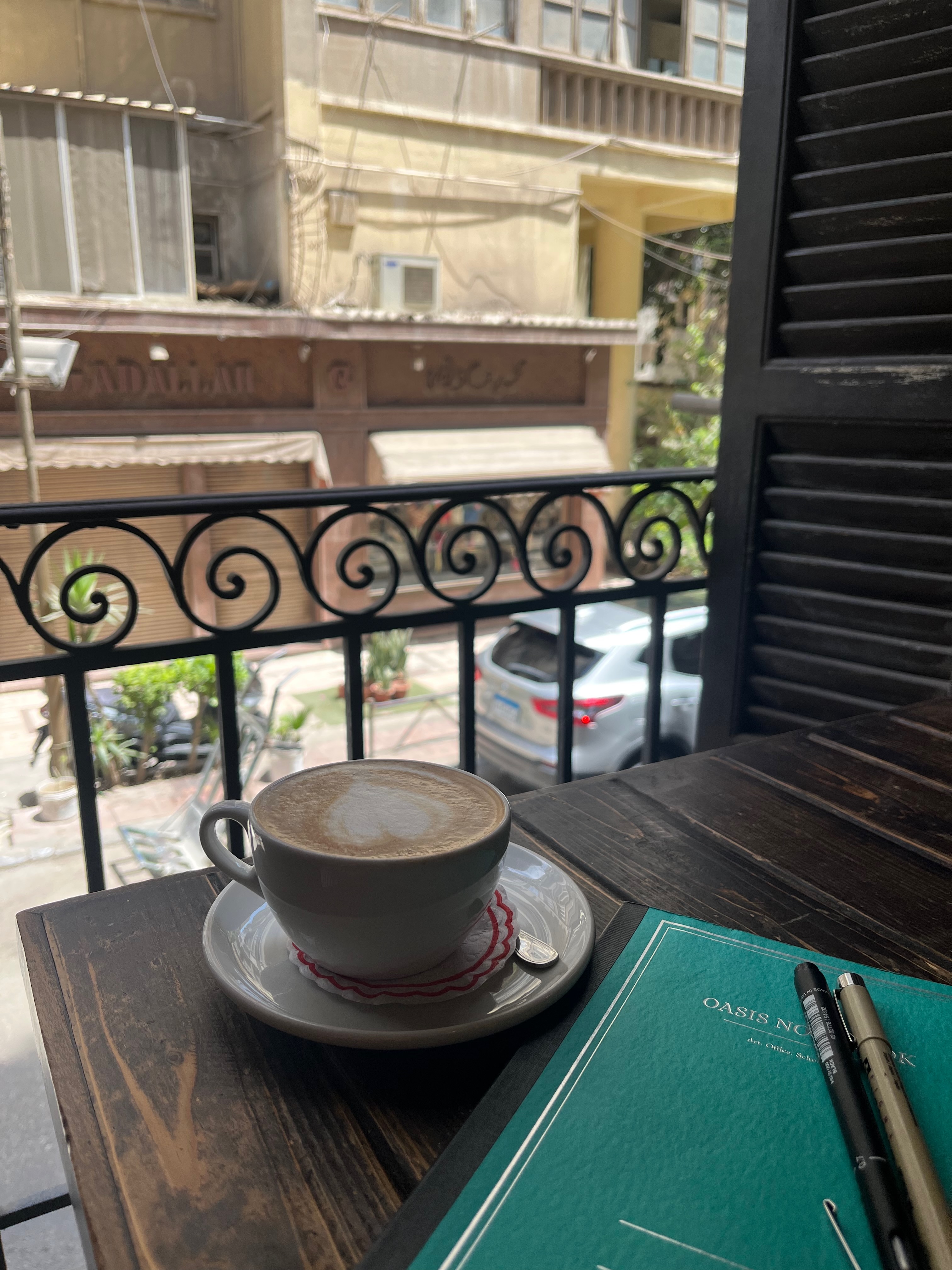
First, burn the Morning Pages, then, burn the body

1

I did a very stupid thing this weekend.

I sampled a decade of my Morning Pages.

I didn’t plan to. It just happened. But wait. I’m telling the story badly.

Morning Pages are the foundational practice of The Artist’s Way, Julia Cameron’s 12 week recovery program for blocked creatives.

Shut up. I know it sounds woo-woo. It is. It’s ridiculous. There’s too much god in the book, also, kindergarten craft activities involving glue, glitter and imagines from magazines, exercises about childhood memories and worse.

It’s kooky.

It’s 100 per cent not science or research-based. The word “intuition” appears about twice a paragraph.

It steals wholesale from the 12 steps of Alcoholics Anonymous.

It works.

The Artist’s Way works.

And the Morning Pages are its foundation. Three pages of long-handed writing, written right after you wake up — according to Julia, before you have coffee, do yoga etc. (I think she allows you to pee, although that’s not explicitly mentioned.) Me, I make the coffee first and drink it as I write, but that’s the only cheat I engage in.

I make the coffee, I sit down and I write.

Three pages.

About nothing, about everything.

My pages are often about how I don’t want to write them. I have nothing to write about. Or, I have too much to write — I want to jump right into the current work in progress. Or, these days, get to work and do all the things I’ve got happening that day — I want to get started now!

Sometimes, they’re about how I’m hungry and I can’t wait to eat breakfast. Or a debate about whether I should make more coffee after I finish writing, because I’m just on page two and the press is already empty…

Sometimes, I write this: Letters make words. Words make sentences. Look, that’s three sentences. Actually, a paragraph. At which point will this rambling become a thought that can be split across to paragraphs. Words. Word by word. Write. Just keep writing.

Silly, right?

But also — it’s in the morning pages that I’ve planned all of my novels, tried to find ways to stay in my marriage, found my way to divorce, anchored myself and stayed breathing and functioning when all else failed.

Morning pages are like journaling, I suppose. But also, different. You get three pages. You must write three pages even if you don’t want to write, even if you feel you have nothing to write about. Word by word. Sentence by sentence. Write until something comes. And you write. And at a page and a half, like clockwork, the hard truth appears.

At the end of page three, you stop.

You want to write more? You can’t, says Julia. You still have something to stay after page three? Execute. Turn into into art. Write a scene, a poem (a blog post).

Draft a screenplay.

The pages are a place to rest, sort, get inspired — to move you to action. Not to hide.

I told you. Woo-woo. Kooky.

They work.

2

The other rule of Morning Pages is you don’t talk about Fight Club. I mean — you don’t show them to anyone. Not your therapist, not your writing group — not the people you’re working through The Artist’s Way with. Julia’s advice is to not even show them to yourself. Put them away. Revisit them later if you like, but not the next day or the week after.

Julia also suggests you make arrangements with a trusted friend to have them destroyed when you die, so you don’t traumatize your children and friends. Or, I suppose, strangers…

She re-reads her pages periodically, to see where they are guiding her.

I don’t. I haven’t for 10 years.

My advice, after this weekend? Destroy them as soon as you write them.

3

I started keeping Morning Pages in September 2014, about a year after the Calgary flood and my monumental not-really-flood-related-but-everything’s-conflated post-flood crash. I promised to start them because a cute girl insisted I give The Artist’s Way a try. I had to trick myself into the process. I had burned all my diaries and stopped reflective writing when I was 16, for very good reasons. I did not want to expose myself like that again.

So for the first two months, I did not write Morning Pages. I wrote in the morning, and I wrote about three pages, but I used writing prompts to draft random scenes of what would become my second novel. And then, eventually, with gritted teeth, I told myself to do the whole 12-week program, glitter and all. If I managed to do that, I’d let myself consider a creative writing MFA. A writer’s retreat. A trip to Cuba.

Something.

Instead, the Morning Pages helped me write a third novel. Then a fourth. Then another. And another. A trilogy. An idea for a seven-book series. Redefined my marriage. Kept me on this side of sane while my child fought for her life. Helped me end my marriage with grace. Saw me through the pandemic and the end and beginning of so many, many things.

They took me to Cuba, too, actually.

Everything is in my Morning Pages.

They’re full of 10 years of terrible things.

4

Not just terrible things, of course. Plenty of good things happened in that decade too.

But all the terrible things are there. In grotesque detail. Writ large in pain.

5

I’ve never counted the notebooks and math is hard, but it takes me about two and a half months to fill the average notebook. So that’s about 5 notebooks a year. Times 10 years. About 50 notebooks. Plus some sketchbooks and process journals. 

I threw most of the process journals and sketchbooks away, easily. They’re not meant to be product. Or to be revisited.

The Pages, though.

I was going to throw them away. All of them. Burn them. Ritually.

But what happened is, I flip one open. I see a story. I don’t remember the story. I don’t remember the memory. Now I do. I flip over a few more pages. Pain. Lies.

The lies are the worst — the parts where I see myself lying to myself. (I know they’re lies, because the truth comes eventually. Later.)

The pain is awful, but at least it’s true.

The lies are a betrayal. Stupidity. 

They bring shame.

They need to be burned.

But.

In-between the pain and the lies—story origins, story ideas, story attempts.

I hesitate.

That’s a really neat one. I don’t remember it—but oh. I want to write it. Maybe now I have the chops to write it. I didn’t back then.

In the end, I don’t throw away the pain and lies, because I want to keep the stories.

6

I don’t have a cute wrap-up for this post. Truthfully, what happens is, I don’t deal with it. I stack 10 years of lies, pain and stories — and good moments too, but you know, where’s the drama in that? — in the corner of the crack house living room and hide them with my reading chair. I’ll burn them eventually. Soon.

I will not carry them with me into the future — I will not move with them again.

I will leave them behind.

But first. I will go through them and rip out the stories.

Not today though. Not next weekend.

But soon.

Eventually.

xoxo

“Jane”
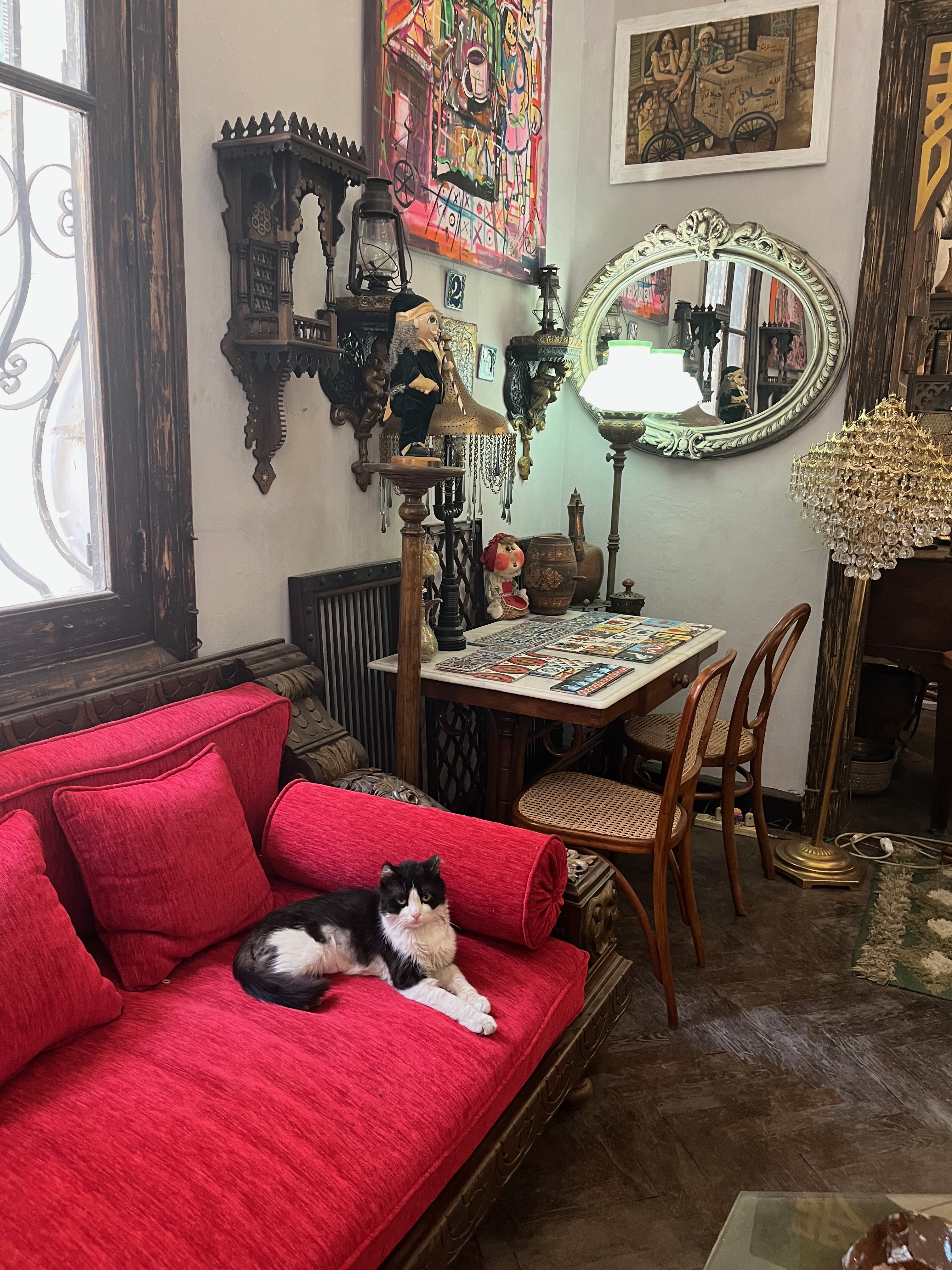
PS Flora, my child, if I die before getting my act together and destroying the journals, shred them all. Burn them all. Don’t read them, don’t let anyone else read them. Thank you. Love, Mom PS2 Remember, Murder Mystery funeral. I’ll leave a few different scenarios you can use but if you’ve got a better idea, do it. I won’t care — I’ll be dead. PS3 Not dying. Just freeforming. This is why you need to burn the Morning Pages. Decades of this shit, immortalized forever. Burn them all. Ok, thanks. Love you.

The meaning of life, redacted

i

I have a problem.

I’m about to turn 50 and I still don’t know what I want to be when I grow up.

That’s the question we inflict on children as soon as they master more than a dozen words. First day of preschool, first time you play with a fire truck or dinosaur: “What do you want to be when you grow up? A firefighter? A teacher? A palaeontologist? An astronaut?”

What, by the way. The question is what. Not who.

I think I know — no, I know, I know — the who. I know who I am. I am myself. I am a mother. I am a writer. Usually a human, sometimes a feral animal. I am myself — I am at peace with who I am. For the most part.

What I am, how I’m supposed to organize my life for the next 15 to 20 years to make sure I don’t spend my twilight years under a bridge somewhere… apparently, I haven’t cracked that yet.

You: You seem to be doing ok.

Jane: The operative word there is “seem.”

I seem to be doing ok. I have not just a job but a career. I’ve done the thing that I thought I had to do for my life to have meaning and not just once or twice, but, depending on how you count, four to 10 times (the novels, I’m talking about the novels, not the revolutions). I’ve birthed and almost shepherded into adulthood some fabulous new humans. If I died in a fiery car crash tomorrow — I think about this a lot — I’d largely have no regrets.

The thing is, I have to live for another 28 years, give or take half a decade on either side (but no more, please, and I’m ok with less). At least 15 of them should be productive, creative, meaningful, working towards some kind of larger purpose beyond that of keeping myself and my children alive, fed and housed. Right?

Or is that a first world whine, a neurosis of affluence?

ii

Sometimes, I just want to be a cat. A kept woman. A retired snowbird. An entitled parasite.

Sometimes, even the little that I do seems to take too much effort.

Sometimes, I want to sleep and not wake up.

iii

I always wake up.

I always do what needs to be done.

I always find something to chase, to build, to dream about.

Often, it takes a while, butI always get there. Eventually.

I’ll get here this time too. Eventually. Hopefully before my 50th birthday.

I’d like that.

iv

Interlude from a coffee shop, unedited:

The three baristas behind the counter form a funny triad. He’s at least 6’4, a mountain of a man. Not a Rocky Mountain — maybe that’s the wrong metaphor. He’s more of a giant hill —  sloped, rounded shoulders, a bell of a belly, a triple chin, an overall impression of softness. But you can’t say, a giant hill of a man. Bad metaphor. A mountain of a man. But mountain of a man makes you think of someone… less squishy. More powerful. Work on that. Still. Mountain of a man. He towers over his two colleagues, both female. They barely reach his belly button. Ok, I lie. But they definitely do not reach his chest. Their size difference would make a sex scene quite difficult to write. Don’t go there, why did you write that? But seriously. To talk to him, they crane their necks up at an angle that looks painful. He also cranes his down. All that craning. Ouch.

One of the small women likes him and thinks he’s funny. She’s laughing, chatting, flirting — tilting her head up like a flirty bird. The other is intimidated. By his size? By the repertoire between the other two? She talks to both of them always from a distance.

But she cranes her neck up when she talks.

When he leaves — end of shift? Just a break — and the two small women are left alone, they don’t talk to each other.

Yes, small, not short. That’s the right word. They are not just short but small in my head. An objective assessment or did their mountain of a colleague shrink them?

I don’t think there is an idea here. Is there?

v

Maybe it’s not a problem.

Maybe we’re not supposed to know.

No.

I need to know.

I need to be working towards something, building something.

Feeding the kids and paying the rent is not enough, it never was.

First World neurosis, mediocre artist problems.

vi

I plot out a love triangle between the three baristas but I’m in a mood. One ends up dead in the coffee shop bathroom, one of the lam, one devoured by guilt, everyone alone.

I do a take two.

This time, everyone dies.

When I leave the coffee shop, I feel like a murderer. The two women behind the counter — their mountainous colleague never came back — smile at me, say goodbye.

I avoid their eyes.

You should not look into the eyes of the dead. It’s bad luck.

vii

I have a problem but perhaps it’s not what I think it is.

And it could be worse, right?

At least I know who I am. 

Do you?

Xoxo

“Jane”

On not buying a new notebook

I’m on page 136 of 250 in a bright yellow Leuchtturm 1917 hardcover notebook — my favourite notebook type and brand, yes, I’ve just inserted an unpaid product placement in this post, sorry. Each notebook lasts me two to three months. It’s where the Morning Pages and first drafts of posts, skeleton sketches of ideas and occasional texts live. (Yes, I sometimes draft texts longhand, don’t you? Perhaps you should. Halfway through the drafting, 90% of the time, I decide to make a phone call instead… or NOT send the text, let the argument go. And if I do decide to send that text? It’s PERFECTLY crafted. #highlyrecommendedcommunicationpractice — no, I don’t think that hashtag will catch on but how about #hrcp? ok I’m lost in a digression, let’s move on…)

Shopping lists also live in the notebooks, ditto bad poems (first and final drafts of). And, when I’m writing the way I want to be writing, the notebook is my process journal, the place in which I ponder how and when to kill grandma and where did I go wrong with the hero’s character development, because he is such a soppy milquetoast (it’s a GREAT word, look it up), I don’t ever want to be trapped in a conversation with him, so why should Amelia be remotely attracted to him when he trips over her umbrella and falls down at her feet?

Anyway, point: I’m on page 136 of 250 (137 now), more than 100 blank pages to go, and I want to abandon this notebook and start a new one.

Don’t get me wrong: if you ask me, ever, “Jane, look at this cute notebook, should I get it?” the answer is always, Yes.” If you’re a working writer and you enjoy working longhand, there is no such thing as too many notebooks. You’ll get to it eventually.

(But if you’re looking for a gift for me, please don’t get me a notebook. I’m particular: it needs to be hardcover, the lines need to be a certain size — too narrow or too wide and my experience is 100 per cent affected, the paper has to take fountain pen ink well, the size of the page needs to be just right and, god, it’d better lie flat when opened, how do they even get away with making notebooks that don’t do that? Dammit, I’m digressing again, it’s because I’m afraid to write about the thing I actually need to write about…)

The reason I want to get a new notebook now is because I want to abandon the current one. I want a hard break between today’s writing and tomorrow’s first line and I want it because I hope that new notebook will galvanize me into doing that thing I need to do right now — take one of my six unfinished manuscripts and take it across the finish line.

Yes. I currently basically have almost as many unfinished manuscripts than I have published novels – more if you count the 2020 trilogy as one mega novel rather than three novellas.

This is not ok. 

They’re not even rejected manuscripts. They’re just… unfinished. So close to finished — Matilda a final proof away from being ready for an agent’s and publisher’s eyes.

A new notebook will get me doing what I need to do do finish them, right?

You don’t have to answer.

I know the answer is, “Wrong.”

I know this. But I’m kinda thinking… maybe? Sometimes, a hard break, not just a new page but a new notebook is what you need to mark the end of one thing (procrastination, paralysis?) and the beginning of another (execution!). How else do you really make a commitment to the change you’re promising yourself?

Well… you just do it.

But I’m not doing it.

Maybe a new notebook… and if doesn’t help, surely, at least it won’t hurt?

Jane to Jane: Or, you could use the time you’d spend going to the store to get that new notebook to, you know. Write those final chapters of Bingo. Proof Matilda.

Jane to Jane: But I just don’t think I’ll do that until I get that new notebook.

Jane to Jane: I don’t think you’ll do that if you get a new notebook.

Jane to Jane: I hate you.

Jane to Jane: The feeling is mutual.

ii

Let me name the demon again, shall I? I know it intimately. The last time I set aside a generous block of time in which to focus on finishing Bingo – and also, to plan my writing year and quarter – I had a bit of a breakdown and cried for two hours instead.

So here’s the thing, here’s the demon.

The five years between the publication of my first novel and the publication of the last were really, really hard.

They sucked.

They had good moments, of course, and lots of photogenic highlights, but they were the worst years of my life to date.

I create the novelist and the novels as a way of getting through them.

I feel, right now, as if I’ve come through… a very dark forest, or that part in a video game where you just keep on dying and being forced to relive, over and over again, a really awful, unenjoyable part of the terrain.

I don’t want to go back.

And I haven’t quite figured out how to make my way back to the good parts — the writing, the finishing, the publishing — without revisiting, reliving all those shitty bits I want to keep in the past.

Him: Well, if you know what’s wrong…

Jane: We’ve been over this. Self-awareness is actually not enough.

I suppose what will happen is that I will not get a new notebook.

And I will not finish Bingo before the end of the month.

But I will finish it eventually?

iii

I am not getting a new notebook today.

I am writing this post, and I am looking at Bingo, and what I need to do to it. Also, All in the Cards. Clearly, what I should do, is proof Matilda and send her out into the world, but that’s too easy. And I’m thinking about writing a new short story about a wanna be dominatrix called Tina and her best friend Fran and I’m thinking I might have them discover a body in the dungeon and maybe what I really need to do right now, instead of finishing one of those six romances, is to write a murder mystery?

Help.

At least I’m writing and not shopping for a new notebook. Right?

xoxo

“Jane”
Temptation in my pocket

i

Trying to write my Morning Pages with two phones and two laptops open beside me. Not good. I can’t focus or rest on the page. On the work phone, a Teams chat about something not urgent but interesting that I want to be part of. On my personal phone, sweet nothings from my lover and a dozen notifications from this site or that. On the work laptop, a presentation I can’t wait to start working on and an article I need to share, also, my LinkedIn profile. On my personal laptop, banking tab—can’t forget to pay the Mastercard—also, my current WIP in Scrivener.

Breathe.

Why am I doing this, why am I setting myself up for such failure? I will neither rest on the page nor do my work nor prepare for future writing. I will freeze, paralyzed by all that I could do, ought to do.

Breathe.

ii

I accidentally give my iPhone, much battered already and with many cracks and breaches, a bath. As I put it in a bowl of lentils—I’m out of rice, but surely lentils will do the same trick?—I ponder whether I really want/need to get another smart phone.

I have a work phone on which kids could text me in emergencies.

Could I go back to a life free of apps? A pre-Instagram, pre-texting all the time, everthing at my fingertips life?

And do I want to?

iii

It’s the question I’ve been asking myself since May 2013, when my mother bought me my first iPhone for my not quite-40th birthday.

It’s been great. I love it.

But it’s also been awful. By which I mean—I know I’m chained to, dependent on that device more than I am on coffee, never mind cheap red wine.

I think there’s  lot to be said for NOT having the world at your fingertips.

At the same time… Google Maps, Yelp restaurant reviews, cat reels on Instagram and all those sweet nothings from you totally make my life better.

iv

So I’ve ordered a new phone. It’s the smallest one I could find, on the cheapest plan I could find—still more than I need or want, and I know I will use it more than I want—or need.

I resent that it’s this difficult.

I don’t own a television. I don’t binge on Netflix (although, I confess, I’ve spent the occasional weekend in bed with a BBC murder mystery series or Bridgerton or low-budget Netflix romcoms).

I should be able to just use this microcomputer in my pocket to serve me—not to worry that I am its slave.

v

Morning pages. Laptops and phones away, out of sight and out of reach… but I know where they are. And what is the worst that will happen if I open Spotify s that I can have some music on while I write?

I push the thought away. Breathe. Stay on the page.

Resent the effort it takes.

xoxo

“Jane”
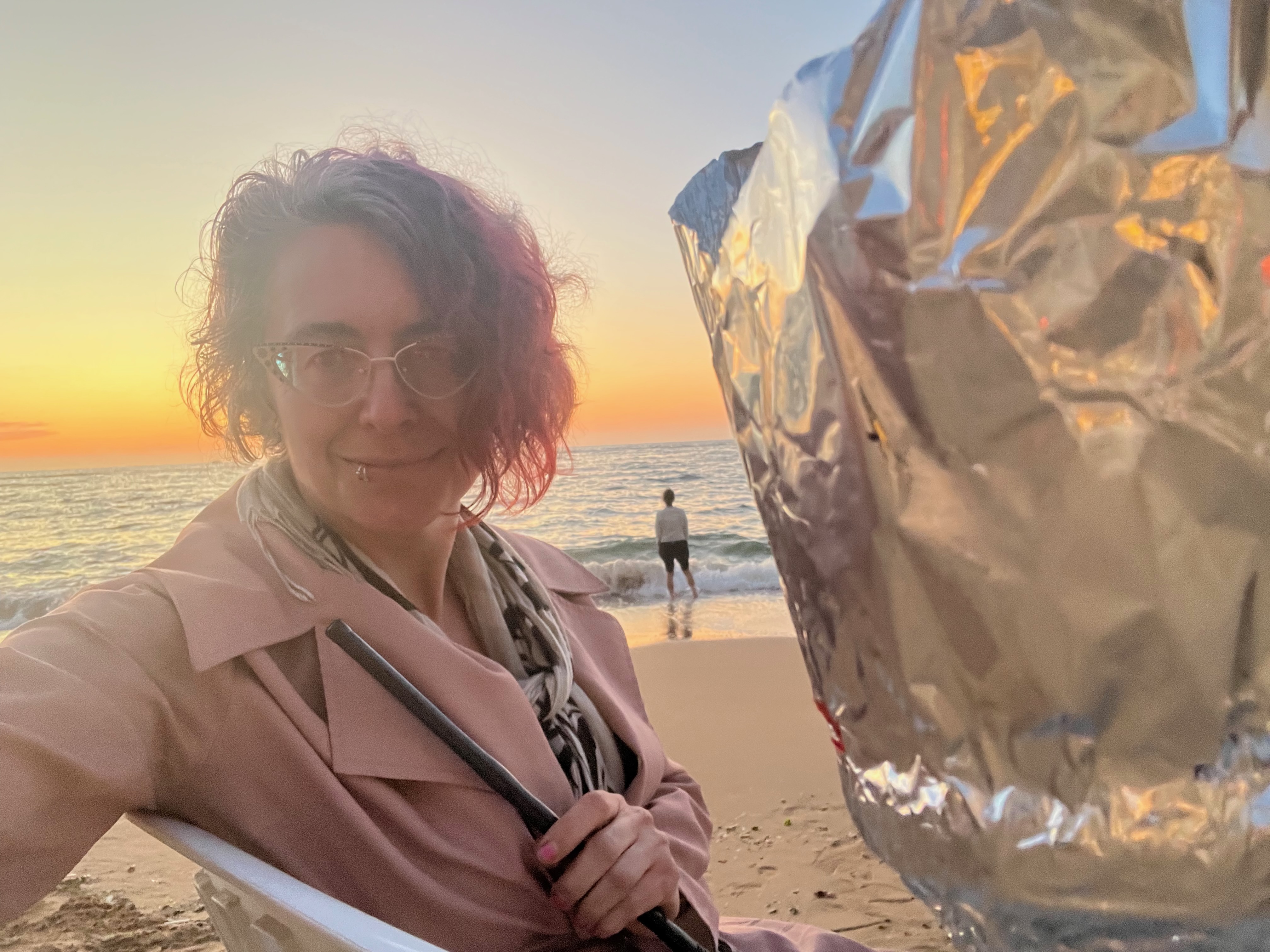
Today, I’m going to kill grandma

I’ve been thinking about killing grandma for days—weeks, maybe even months—and today, I’m finally going to do it.

Don’t feel bad for her. She’s ninety-three—maybe even ninety-seven, I have to double-check, hey, don’t judge, she doesn’t keep count anymore, not since she’s outlived all her friends—Mabel was the last to go, at ninety-two—and she’s had a good life, for the most part. A harsh beginning, child of the depression, and a challenging middle, unwed mother when that was not an ok thing, but until the broken hip a few months ago, she’s really lived her best life. Since the injury, she’s been bed-bound and while not miserable—hers is not a miserable character—she’s not been happy. She’s said to the people around her that she’s ready to go with, with increasing frequency.

I’ve known killing her is the right thing to do for a long time. What’s held me back is not quite knowing how to do it. Should she pass away in her sleep, to be found in the morning by the cleaner, the day nurse or her granddaughter’s roommate? Should Rachel—the granddaughter—be the one to find her? (Generally, I don’t want Rachel to find her—I want the news to be mediated, I want her to want to kill the messenger—I don’t want to miss that chance at drama.) Should she, maybe, die mid-conversation with Dark and Stormy—or, while texting on the phone? (Part of the storyline: she’s catfishing young men on Tinder. Because she’s bored. She’s that kind of ninety-three year old grandma.) Maybe I kill her while she’s sneaking in a wheelchair joyride down the condo corridor? Should she have a big fight with Rachel just before she dies, and leave her granddaughter dealing with even more guilt?

Or should they work all their shit out first?

I don’t want to mess her death up because it’s important. It pulls the rug out from under Rachel—takes away the one constant in her life, which is also her excuse for not doing certain things. It lets me shatter her, completely. The grandmother’s death is necessary.

And, it will let me write the funeral scene, which is key and awesome. I’ve been carrying that one in me for months too—I know exactly how to write it. But I won’t let myself do it until I get the death scene right.

So. Today. The end of grandma’s life. I think she’d appreciate a somewhat theatrical death. Where are we in the story timeline? Is it summer yet? Can I make it Canada Day? Stampede? Pride?

She wants a day at Pride. She dies mid-Parade, but, a la Weekend at Bernie’s, Rachel and her crew take her around the whole island first, because she has a bucket list to check-off. No, not Rachel. Rachel gets called away (work? She’s a workaholic, I’ve established) and leaves her grandmother with her friends, isn’t there for the death and the day… of course, police end up being called in—why, exactly, did they not call an ambulance as soon as they noticed the woman was unwell, dead?—and Rachel extricates her friends from the situation, but she hates them. Oh, she hates them—for being there for Adinah when she wasn’t—and she hates herself.

Ok, I think that will work. I’ll kill her at Pride. I can seed some “My only granddaughter is a lesbian and I’ve never even been to a Calgary Pride parade, never mind New York or San Francisco. How did that happen?” into the first act.

She’ll have heads around her neck and a lap full of candy and condoms.

And she’ll die happy.

(I’m still not sure about Rachel. She should be there—she’d want to be there—but does it all work better if she’s not there?)

(Writer problems.)

I’m off to kill grandma. Don’t call the police.

xoxo

“Jane”

Hunting ghosts: hopefully, not a metaphor

Sometimes, my cat sees things that I don’t see—and yes, this freaks me out. What can a cat see that I don’t see? It can only be three things, really: rodents, insects, or ghosts. Of the three, there’s only one I don’t mind having in my house—and it’s not mice. Or insects.

My daughter mocks me for believing in ghosts. And it’s not that I believe in them, exactly. It’s just that I don’t… disbelieve in them. I’ve felt atmosphere of places polluted by past tragedy, the weight of history, paralyzing sadness—also, overwhelming joy, sense of sacredness… I’ve felt spooked, and warned.. Terrified. And, also, protected.

Flora: Therefore, ghosts?

Jane: Therefore, why not ghosts?

Flora: How are you an atheist and how I am your daughter?

I don’t think atheism is at odds with thinking ghosts might be thing. Shadows, residual energy, memories so powerful they outlive the corporeal form? I’m sure if I tried, I could come up with a pseudo-scientific explanation for ghosts, aka Ghostbusters, ghost hunters or The Sixth Sense.

But I don’t need one.

I just think—you know, they might exist… and I don’t need a because.

Flora: So not a scientist.

I make no claim to be a scientist as I take my budding scientist across Alberta ghost towns. She, of course, is hunting for physical things: animal bones, owl pellets, coyote carcasses. If we ever find a human skull, I expect she will expire from sheet joy right on the spot—perhaps becoming a ghost that haunts that place ever after.

Me, I’m looking for stories, which is pretty much the same as looking for ghosts. Who lived here? How did they live, laugh, suffer? How did they die? Why did they leave—what did they leave behind? If they saw this physical ruin of their past, would they experience pleasure or pain? What do they regret? If they could live life over again, would they choose to live it in this isolated prairie town?

Sometimes, we find real people. They can be scarier and sadder than ghosts.

I’m thinking about ghosts because last week, a work colleague and I attended a collaborative writing workshop in which we set down the bones of a play—a scene, really—about a ghost haunting the Banff Springs hotel, because—of course—love and betrayal. It was a fun exercise and a stimulating workshop.

And it got me thinking about ghosts—and whether my cat really sees them. (I think she does.) Also, writing, the process of. Also, how annoying I find ‘aspiring’/’amateur artists and writers who take four years to finish—more often, not finish—a play or a project and who set themselves as somehow better than the people who actually write, create for a living every day.

I find myself annoying in that same way too. It is two years now since I’ve finished a novel. I’m writing… but not enough. And I’m not polishing, finishing—publishing.

My shitty first drafts haunt me, like ghosts.

Flora: Maybe that’s what your cat is staring at.

Jane: Mean. But fair.

As the cat stares at ghosts, I stare at her. She is aesthetically perfect, absurdly beautiful. Is she happy, fulfilled in her limited, safe pet life? Does her inner hunter need an outlet more meaningful than stalking spiders, dreaming of mice, imagining ghosts?

(She is not a metaphor.)

She stretches. Yawns. Curls up into a graceful ball and sleeps.

(OMG, is she a metaphor?)

I close my eyes and listen to the whispers of ghosts.

xoxo

“Jane”
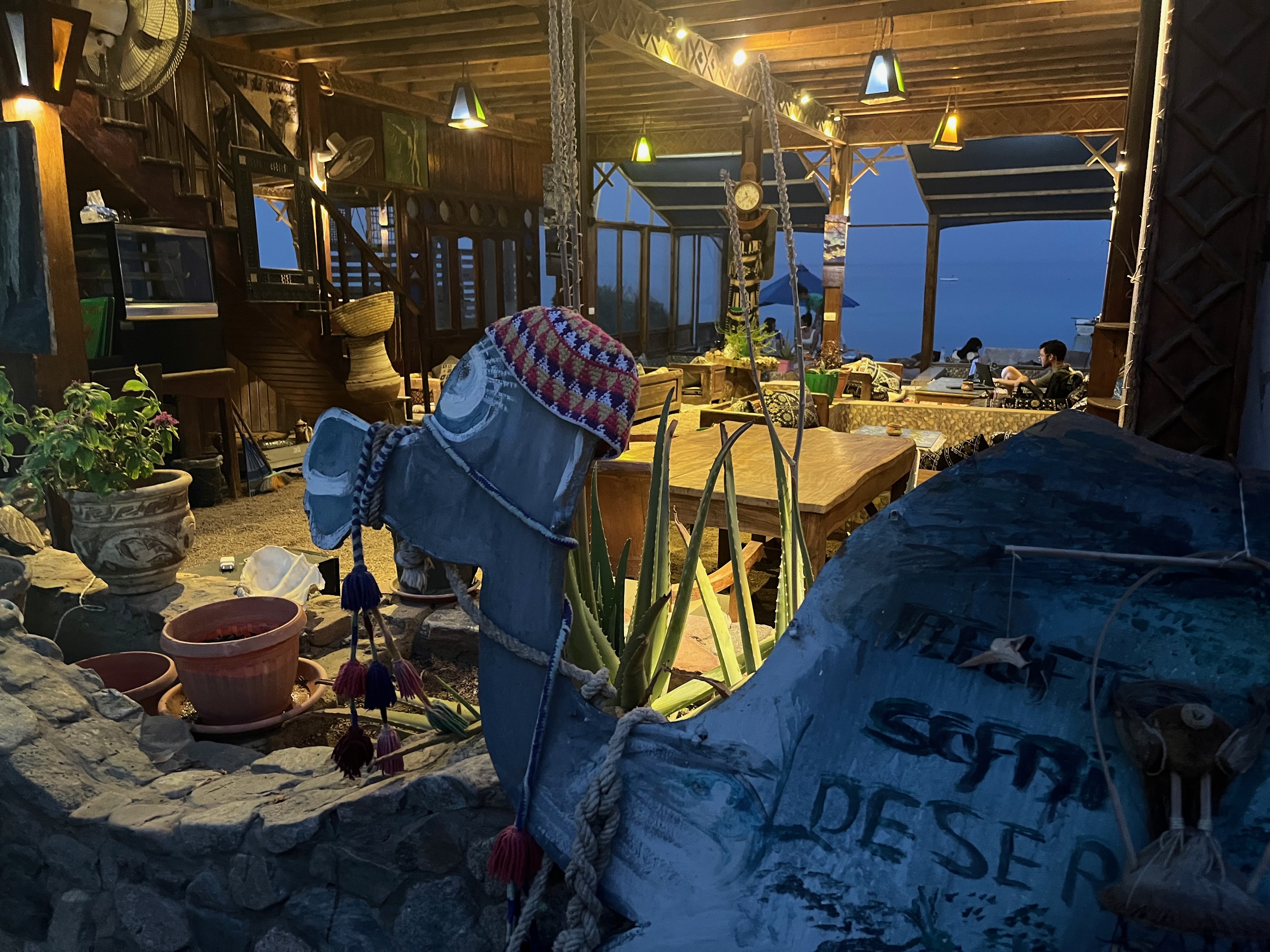
Hierarchy of needs

i

On the mornings when Bumblebee the beast sleeps at my house, I start my morning serving the biological needs of the pets. The dog’s bladder trumps the cat’s stomach—although by the dirty look I get as I slide on a coat over my pyjamas and put a leash on the Bumblebee, it’s clear that the cat disagrees.

I tell the cat—Disobedient Sinful Disaster, or SinSin for short—I’ll feed her as soon as I come back. She does not believe me, even though this drama plays out pretty much every morning. When I come back ten minutes later, she is lying on the floor, dying of hunger. How could I?

I feed her before I make my coffee.

That’s the natural order of things: the dog’s bladder, the cat’s stomach, my addiction. I pour water into the kettle, grind the beans, and enjoy every moment of the ritual. Then I take the tray with my Frida Kahlo cup, off-brand Bodum, cardamom and cinnamon to the sofa, sit down, open my notebook, uncap the pen and take my first sip as I write the first lines of my morning pages.

(Julia Cameron would disapprove. She’d say walking the dog, feeding the cat and making coffee have all woken me up too much and my sleepy subconscious won’t be present on the page; the censoring consciousness will obtrude. I don’t buy it. I’ve written first thing the morning before walking the dog or feeding the cat—occasionally before coffee—and it is more or less the same. Sometimes painful, sometimes easy—always grounding.)

Today, I am not sure how much time I’ll have to rest on the page. There’s a lanky child sleeping on my sofabed, so the coffee and morning pages are with me in the bedroom. A child’s needs trump everything else. I need to work—he needs to sleep—if he does not wake up before my first scheduled meeting, I’ll take my work laptop in the bedroom. If he wakes up before I finish my pages, I’ll stop writing.

When I was at home with him every morning, I’d make him—all of them—wait.

”Mommy’s writing. I’ll be with you as soon as I’m finished.” When he was little, he’d crawl into my lap or sit beside me as I wrote. As he got older, he’d abandon my lap, occasionally and then more frequently, for electronics.

Now, at 12, he’s old enough to get his own breakfast. I know that.

He never gets his own breakfast at Mom’s house—the sleepovers are still too few and too precious.

Both his dad and I would prefer if he spent more nights at my place. But children’s needs trump parents’ wants and needs—we had broken that rule with our separation—and what he needs most of the time in his bed, in his room, in the only house he’s ever lived in.

(You do see why he doesn’t make his own breakfast when he’s at my place?)

I find myself pouring a second cup of coffee before I finish my first page, and I frown. I’m not that caffeine deprived—slow, down! Relish and sip, don’t gulp. One of my partners shares my addiction, the other has mocked it for seven years and refuses to feed it. I recognize it for what it is, both a physical and an emotional habit. I’ve let go of it in the past, for months.

But I’ve always come back, because no Japanese mushroom or grain concoction tastes this good, or loves me back this  much.

(My coffee whispers sweet nothings into my ear. Doesn’t yours?)

My son wakes up and stumbles into the threshold of my bedroom.

“Foods?” he says, as if he’s four and not a preteen. He’s often four at Mom’s house, in Mom’s presence, these days. I think that’s the way it needs to be, for a while—Flora, my daughter, 17 and too clever by half, thinks we both need therapy.

I expect we’re both right.

I take a sip of coffee and a breath. I tell him I just need to finish my writing, and I’ll make him breakfast right away then. He tells me he’s going to torment—er, cuddle—the cat while he waits.

I write faster. Then take another breath. Slow down. Take a sip of coffee. Rest on the page.

ii

I’ve just finished teaching a four week course for writers that’s not so much about writing as it is about organizing your life so that you have time for writing—and, also, about thinking in terms of writing practice, not just focusing on, chasing the finished product.

In the course, I talk about the art of radical prioritization, the lie of multi-tasking, the freedom of discipline—and how you only ever have as much time as you are willing to give to yourself.

People generally leave the classes feeling empowered and energized, as do I.

This time around, teaching the class highlights for me, again, what a lifeline my morning pages are, and how often they lead to a morning writing sprint, a draft essay, an outline of a blog post, an idea for a scene or a new story or even book. They are foundational to my writing practice.

But they are not enough. Practice is important. But so is performance.

And product.

Ender: Mom? Are you still writing? I’m starving.

I’m still writing. Then I’m going to make my son breakfast, and also feed myself. For a few hours, I’ll juggle being present for him with working from home—my least favourite thing, because there is no such thing as multitasking. Then I’ll take him to his dad’s house so that Sean does the juggling, and I’ll return to work more focused.

(Maybe I’ll even run over to the office, because we can do that now.)

And in the evening, I’ll write again. In-between, I’ll walk the dog. Feed the cat again. Finish my taxes. Maybe meet you for a drink.

It will be a good day.

“Jane”

P.S. Drafted April 21, which turned out to be not that good a day, but not bad either—thoroughly average, let’s say, with bad news and challenging moments interspersed with small victories and deliveries of support and love. But it started and ended on the page, and in-between, other needs were met. For me, that’s almost always what makes a good day.

What’s your anchor, bookend, consistent key to a good day?

Yeah? You gonna do that today? And tomorrow?

You should…