
i
“I’m out of spoons.”
“Let me check my social battery.”
“My ADHD brain…”
“It’s triggering my trauma.”
“In this economy?”
“Am I the only one who thinks…”
No. No, you’re not the only who thinks that. You’ve used a cliche to introduce a cliche. Stop talking. Stop. No more words. No more memes. No more noise.
Sorry. I shouldn’t be writing this post. You don’t solve the problem by being a semi-regular part of it.
I’ll say less, I promise. Match me?
Or at least… introduce a cliche-check into your language? Can you do that?
No. No, you can’t.
ii
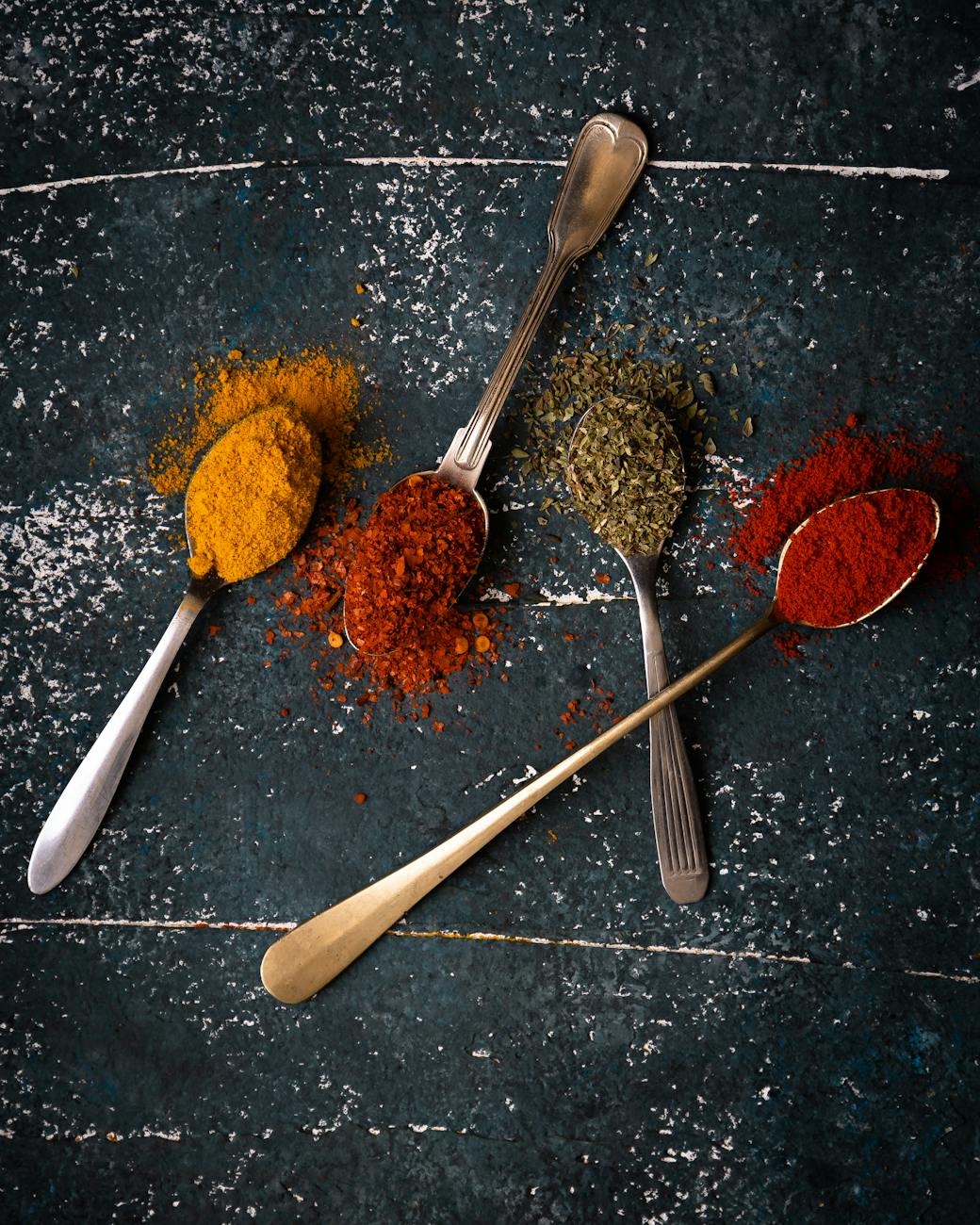
The thing about cliches is that they have great origin stories. They become cliches because they hit that sweet spot, ya? They do a good job of describing a situation. Although, honestly, how that spoons thing caught on I don’t know. I love me a good metaphor, but why spoons? Who walks around with a jar or pocket of spoons? I have never, ever had an extra spoon, never mind a surfeit of spoons. Nor have I ever given my extra spoons to anyone. But ok, once upon a time, the phrase was useful. Now? I hear it seven times a day.
(Hey, is this meta: I have no spoons for dealing with your overuse of ‘I’m out of spoons.’”)
(Mmm, not meta, just obnoxious. Sorry, not-sorry, joking not even a little bit.)
iii
I’m complaining because I like words and I like conversation. And while cliches, like tropes, are useful shortcuts, they make for bad conversations.
My social battery needs good conversation. Doesn’t yours?
“Cold enough for you?”
iv
The difference between a professional and an amateur is that an amateur thinks it has to be perfect. A professional knows it needs to be done.
The difference between a professional writer and an aspiring one is that the professional knows a first draft has to be edited. Maybe seven times. The amateur can’t tell what’s wrong with their cliche-ridden first draft.
Cliches are unavoidable in first drafts. They’re easy. They creep in.
Purge them. You want to be a professional, don’t you?
Especially in this economy.
v
“This post is triggering my trauma.” It’s not, actually. It’s annoying you because I’m being obnoxious. Your negative reaction to this post and to that other bad thing that happened today? They’re just shitty moments in an average day. Or maybe even in a really bad day.
But traumatic?
Could we save that word for, you know, the actually truly, really, impactfully bad stuff?
And trigger… Want to give me a Christmas present, do this — go a whole day without using that word. Just try it.
It just might change your life.
vi
I’m not having a good work day and I don’t want to write or Duolingo so I take a break to doom scroll through Instagram. Mistake — the cliches bombard me and wreck the little bounce my brain had.
“Am I the only one…”
No! You’re one of millions, billions.
vii
“Wow, that must have been one traumatizing doom scroll session.”
Kill me. Kill me now. Scoop my heart out with a spork. What, you can’t? Ah. You’re out of forks and spoons. Too bad.
viii
Back to those spoons you don’t have — I’m sorry. Life is hard and talking is hard and words are hard. I get that you may not have spoons etc etc and the path of least resistance and all of that and I didn’t mean to (gag) traumatize you or invalidate your attachment to your phrase of choice.
The thing is, though, when we talk in cliches, we distance ourselves both from others and from ourselves.
We isolate ourselves. Become islands. (No man is, but actually, so many people are…)
I’m not saying using cliches is traumatizing (it is bad writing though).
I’m saying that it prevents us from having real conversations — with each other and with ourselves.
Also, I’d rather stab myself in an eye with a fork than have another conversation about metaphoric utensils.
If you don’t want to have real conversations — well, at least invent a new cliche.
Yes, in this economy.
xoxo
Cranky Jane
PS Clever or just mean? Sometimes, it’s hard to tell the difference…
 Nothing By The Book
These spoons aren’t a cliché, at least not in my disabled chronically ill world. They’re a useful shorthand to communicate something about the energy necessary to do a thing when you only have a very limited amount of energy to begin with.
If you’re really curious, the origin story of “spoon theory” (not actually a theory but an analogy) analogy is on Wikipedia.
Happy holidays.